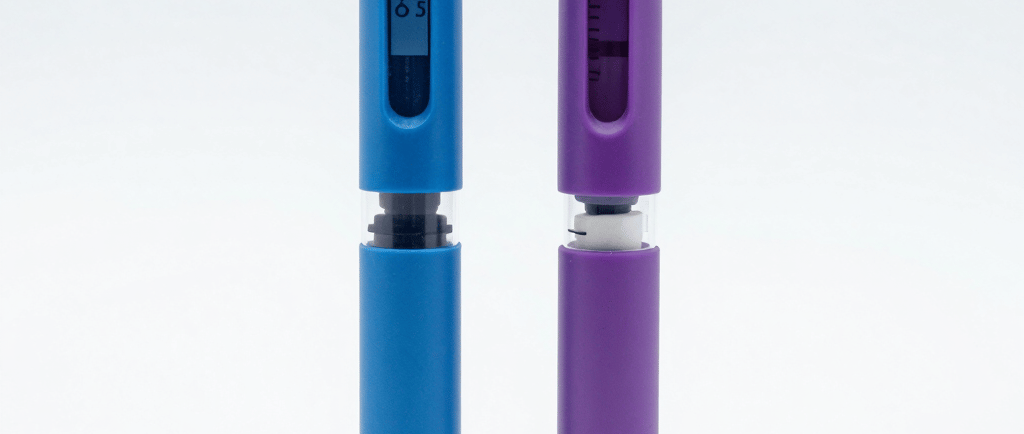
Introduction to Tirzepatide and Semaglutide
Tirzepatide and semaglutide are two novel pharmacotherapeutic agents that have garnered significant attention in the management of type 2 diabetes and related weight issues. Both medications belong to a class of drugs known as GLP-1 receptor agonists, which mimic the incretin hormones that the body normally produces to regulate glucose metabolism and appetite.
Both tirzepatide and semaglutide work by stimulating insulin secretion in response to elevated blood glucose levels, which helps to lower blood sugar. They also promote satiety, thereby reducing food intake and facilitating weight management. However, despite their overlapping mechanisms, they differ in structure and efficacy. Tirzepatide, a dual glucose-dependent insulinotropic polypeptide (GIP) and GLP-1 receptor agonist, offers a unique mechanism that influences both insulin secretion and the metabolic profile more extensively than semaglutide, which primarily targets GLP-1 receptors.
In terms of approval and usage, both medications are indicated for the management of type 2 diabetes and have demonstrated significant weight loss in clinical trials, though semaglutide has a well-established track record in both areas. Tirzepatide is relatively newer, having received FDA approval for clinical use in recent years. Research indicates that tirzepatide may provide enhanced outcomes in weight reduction compared to semaglutide, making it a promising option for individuals striving for glycemic control and weight management.
The increasing prominence of these medications in diabetes management stems from the growing recognition of the connection between obesity, diabetes, and other comorbidities. As healthcare strategies evolve, integrating effective pharmacotherapy through agents like tirzepatide and semaglutide becomes crucial in addressing the complexities of diabetes, thus enhancing patients' quality of life and health outcomes.
The Role of Body Type in Medication Efficacy
The efficacy of medications such as tirzepatide and semaglutide can be significantly influenced by an individual's body type. Body types are typically categorized into three main classifications: ectomorph, mesomorph, and endomorph. Each of these types exhibits distinct characteristics in terms of metabolism, fat distribution, and overall hormonal balance, which can affect how these medications work in the body.
Ectomorphs are generally characterized by their lean, thin physique and a faster metabolism. Individuals with this body type may find that medications like tirzepatide and semaglutide affect them differently due to their higher basal metabolic rate, leading to potentially more rapid results in weight management. However, this can also mean that dosing might need to be carefully monitored to avoid adverse effects.
Mesomorphs, who typically exhibit a muscular build and a more balanced metabolism, often respond well to both tirzepatide and semaglutide. Their body composition tends to favor fat loss while preserving muscle mass, which can result in effective outcomes when using these medications for weight management or blood sugar control. Real-world examples suggest that many mesomorphic individuals experience sustained success due to their naturally higher levels of physical activity.
On the other hand, endomorphs usually have a higher propensity for fat accumulation and a slower metabolism. For these individuals, medications such as semaglutide and tirzepatide may require longer durations and more nuanced approaches to achieve desired outcomes in weight loss and metabolic health. Case studies indicate that endomorphs often need tailored interventions that take their hormonal profiles into account, which could either enhance or diminish the effectiveness of these medications.
Overall, while body type plays a crucial role in the effectiveness of tirzepatide and semaglutide, it is essential to consider that individual responses can vary widely based on a variety of factors, including genetics, lifestyle, and pre-existing health conditions.
Hormonal Influence on Weight Loss Medications
Weight loss medications such as tirzepatide and semaglutide exert their effects not only through metabolic pathways but also significantly through hormonal mechanisms. Understanding the interplay of hormones like insulin, glucagon, leptin, and ghrelin is essential in harnessing the potential of these medications for effective weight loss.
Insulin is a pivotal hormone involved in glucose metabolism and fat storage. Both tirzepatide and semaglutide enhance insulin sensitivity, which can lead to improved blood glucose control. This is particularly beneficial for individuals with insulin resistance, a common issue in obesity. By improving insulin sensitivity, these medications can aid in the reduction of body weight as excess insulin levels are often associated with weight gain.
Ghrelin, often referred to as the "hunger hormone," plays a crucial role in appetite regulation. Semaglutide and tirzepatide have been observed to suppress ghrelin levels, thereby reducing appetite and leading to lower caloric intake. Conversely, leptin, the hormone responsible for signaling satiety to the brain, can be influenced by these medications. A healthier balance between ghrelin and leptin can enhance weight loss outcomes.
Moreover, glucagon, a hormone that elevates blood glucose levels, is another player in the hormonal network involved in weight management. Both tirzepatide and semaglutide function by mimicking the actions of glucagon-like peptide-1 (GLP-1), which suppresses glucagon release. This results in lower blood sugar levels while promoting a feeling of fullness, facilitating the weight loss process.
The profiling of hormonal levels can provide insights into a patient's responsiveness to these weight loss medications. Individuals with an optimized hormonal balance are often found to achieve better results with tirzepatide and semaglutide. Therefore, understanding one's hormonal landscape is vital to informed decision-making in choosing suitable interventions for weight management.
Interpreting Lab Results for Personalized Treatment
Understanding the role of lab tests is essential for tailoring treatment protocols involving medications like Tirzepatide and Semaglutide. Key indicators such as blood glucose levels, HbA1c, and lipid profiles provide critical insights into an individual's metabolic state and overall health. Blood glucose levels reflect how well the body is managing sugar, thus enabling healthcare providers to determine the immediate effectiveness of dietary and exercise interventions.
HbA1c, which indicates average blood glucose over a three-month period, is particularly useful in recognizing the longer-term efficacy of blood sugar management strategies. An elevated HbA1c suggests inadequate glucose control, prompting clinicians to assess the appropriateness of Tirzepatide or Semaglutide for a given patient. These medications work differently: while Tirzepatide’s mechanism may suit some individuals, others might respond better to Semaglutide based on their unique HbA1c readings.
Moreover, lipid profiles are another critical aspect of health metrics. These profiles measure cholesterol levels and triglycerides, which are essential components in evaluating cardiovascular risk. Understanding a patient’s lipid profile can inform healthcare providers about the interplay between weight management and cardiovascular health, which is crucial when considering treatment pathways involving Tirzepatide or Semaglutide. For example, if a patient presents with elevated triglycerides alongside high glucose levels, the choice of medication may lean towards one that offers additional cardiovascular benefits.
In conclusion, thorough interpretation of these lab results can greatly enhance the ability to customize treatment plans. By integrating insights from blood glucose levels, HbA1c, and lipid profiles, healthcare providers can optimize the long-term management strategies for individuals, ensuring that the chosen therapy aligns with their specific health conditions and metabolic needs.