
What Happens When You Stop Semaglutide or Tirzepatide — The Weight Regain Timeline Most Clinics Never Prepare You For
Stopping semaglutide or tirzepatide without a plan leads to rapid weight regain. Learn the real timeline and how Made Ya Skinny protects your results in Magnolia, TX.
6/23/2026 4 min read
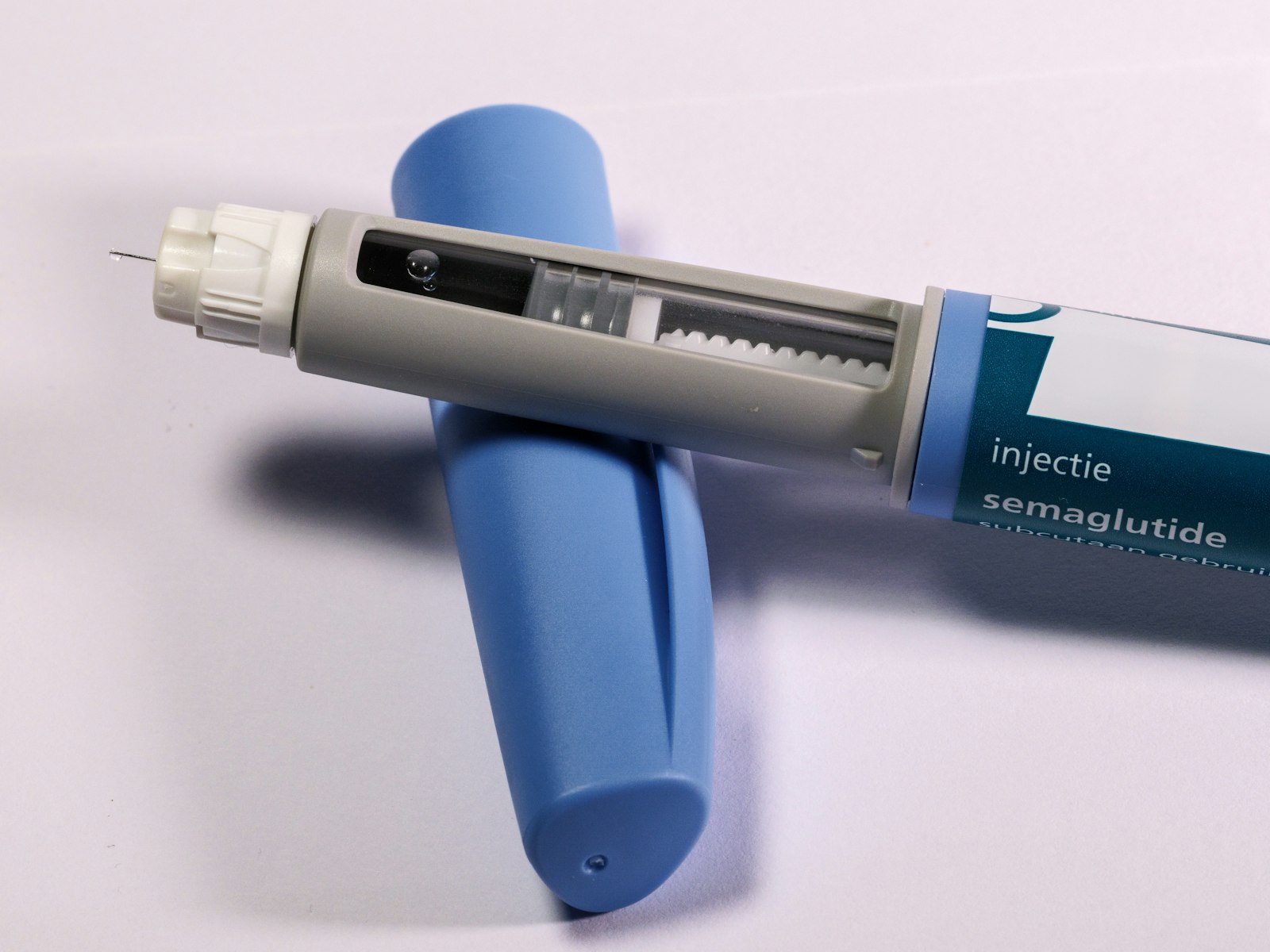
Understanding Semaglutide and Tirzepatide
Semaglutide and tirzepatide are medications that belong to a class known as GLP-1 receptor agonists. These drugs are designed to assist in weight management, particularly for individuals diagnosed with obesity or related health conditions. By mimicking the action of the glucagon-like peptide-1 (GLP-1) hormone, they regulate appetite and food intake, thus facilitating weight loss.
The mechanism of action for both semaglutide and tirzepatide involves the stimulation of the GLP-1 receptors in the brain, which leads to a decrease in hunger. Additionally, these drugs slow gastric emptying, making individuals feel fuller for extended periods. Clinical studies have demonstrated that semaglutide can lead to significant weight loss when combined with a reduced-calorie diet and increased physical activity. In STEP 1 (New England Journal of Medicine, 2021), participants on semaglutide 2.4 mg lost an average of 14.9% of their body weight over 68 weeks.
Tirzepatide, a newer medication, operates similarly but targets two incretin hormones, GLP-1 and GIP (gastric inhibitory polypeptide), enhancing its efficacy. In SURMOUNT-1 (New England Journal of Medicine, 2022), tirzepatide at 15 mg averaged 20.9% over 72 weeks, reflecting its dual action in the body. The journey of users starting these medications typically begins with gradual titration to minimize gastrointestinal side effects. Over time, many users report a significant decrease in cravings and an improvement in their overall well-being, contributing to healthier lifestyle choices.
As individuals progress through their weight loss journey, the support from healthcare providers is vital for achieving and sustaining desired outcomes. Understanding the pharmacological benefits and the physiological responses elicited by these medications underscores their role in comprehensive obesity management strategies.
The Impact of Stopping Medication on Your Body
When individuals discontinue the use of semaglutide or tirzepatide, a series of biochemical changes begin to occur within the body. Both of these medications function primarily as GLP-1 receptor agonists, which means they mimic the hormone glucagon-like peptide-1, responsible for insulin regulation, appetite suppression, and glucose metabolism. Once these medications are stopped, the body may start to respond with a decrease in insulin sensitivity, potentially leading to elevated blood sugar levels.
Additionally, the appetite suppression that was previously experienced can diminish, leading to an increase in hunger and cravings. This return to pre-medication eating patterns is a common response and can lead to rapid weight regain, especially if the underlying dietary habits have not been modified during the treatment phase.
Moreover, the psychological effects of halting treatment should not be underestimated. Many individuals may experience anxiety or depression related to weight regain or feeling they have lost control of their health. This emotional response can further complicate efforts to maintain a healthy lifestyle. Acknowledging these psychological impacts is crucial for those who have been using these medications and are considering stopping, as emotional well-being plays a significant role in physical health.
It is also important to recognize that personal health conditions, such as hormonal imbalances or metabolic disorders, may influence how one’s body reacts to the discontinuation of semaglutide or tirzepatide. These factors can significantly differ from person to person, thus necessitating a tailored approach to health management following the cessation of medication. Understanding these various dimensions is essential for preparing oneself for the transition off these weight loss drugs and addressing any potential challenges ahead.
The Weight Regain Timeline: What To Expect
Discontinuing medications such as semaglutide or tirzepatide, which are designed for weight management, can lead to a complex process of weight regain. Understanding the timeline and factors influencing this phenomenon is crucial for patients considering stopping these therapies. The weight regain experience can generally be segmented into three distinct phases: short-term, medium-term, and long-term.
In the short-term, typically within the first few weeks of cessation, patients may notice an initial shift in weight. This phase is characterized by the body reverting to its previous metabolic state. Individuals may experience water retention and a slight increase in appetite as hormonal changes take effect, which often leads to early weight recovery. The initial regain can be relatively modest for some, while others may witness a more significant increase depending on their dietary intake and physical activity levels.
The medium-term, spanning approximately one to three months, often presents a more pronounced regain as appetite regulation continues to adjust. During this period, individuals may restore weight more rapidly if they do not maintain healthy dietary habits or physical activity. Research indicates that those who had substantial weight loss prior to discontinuation are at a higher risk of regaining weight swiftly, particularly if post-therapy lifestyle changes are not adopted.
In the long-term, after about three months and beyond, weight regain can plateau for some individuals, reaching a level that may hover around the weight prior to the initiation of therapy. However, individual variability plays a crucial role here, influenced by metabolic rate, dietary habits, lifestyle choices, and genetic predisposition. It is imperative to note that while some regain might be unavoidable, maintaining a balanced diet and regular exercise can help mitigate significant weight regain.
Strategies to Manage Weight Post-Treatment
Managing weight after discontinuing semaglutide or tirzepatide requires a multifaceted approach focused on sustainable lifestyle changes. Individuals must prioritize dietary modifications that promote a balanced intake of essential nutrients while reducing calories. A plant-based diet rich in fruits, vegetables, whole grains, and lean proteins can help maintain satiety without excessive caloric intake. Additionally, practicing portion control is vital for preventing weight regain.
Incorporating regular physical activity into one’s daily routine is essential in managing weight post-treatment. Establishing a consistent exercise regimen tailored to personal preferences can enhance metabolism and maintain muscle mass. Activities such as walking, jogging, swimming, or strength training not only support weight control but also contribute to overall well-being. Aim for at least 150 minutes of moderate-intensity exercise weekly, as this can significantly improve physiological health and aid in weight management.
Furthermore, behavior modification techniques can be beneficial in maintaining weight after stopping medication. These may include keeping a food diary, recognizing emotional triggers for overeating, and developing healthier coping strategies. Mindfulness practices, such as meditation or yoga, can enhance awareness of body signals and aid in maintaining focus on weight management goals.
Support systems play a crucial role in sustaining lifestyle changes post-treatment. Engaging with family, friends, or support groups can provide encouragement and accountability. Additionally, considering professional consultation from registered dietitians or weight management specialists can offer personalized advice, helping to navigate challenges encountered after medication cessation.
In conclusion, individuals who have stopped taking semaglutide or tirzepatide can effectively manage their weight by adopting healthier eating habits, maintaining regular exercise, and utilizing support networks. These strategies, combined with ongoing education and monitoring, are vital for successful long-term weight management and minimizing the risk of weight regain.
Ozempic® and Wegovy® are registered trademarks of Novo Nordisk A/S. Mounjaro® and Zepbound® are registered trademarks of Eli Lilly and Company. Made Ya Skinny is not affiliated with, endorsed by or sponsored by either company, and does not sell their products. Brand names appear here to identify the medicine being discussed.
Choose office or telehealth care, complete the weight-loss prescreen, and reserve your visit online. Approval does not mean somebody will call; continue online, with text or email updates along the way.