
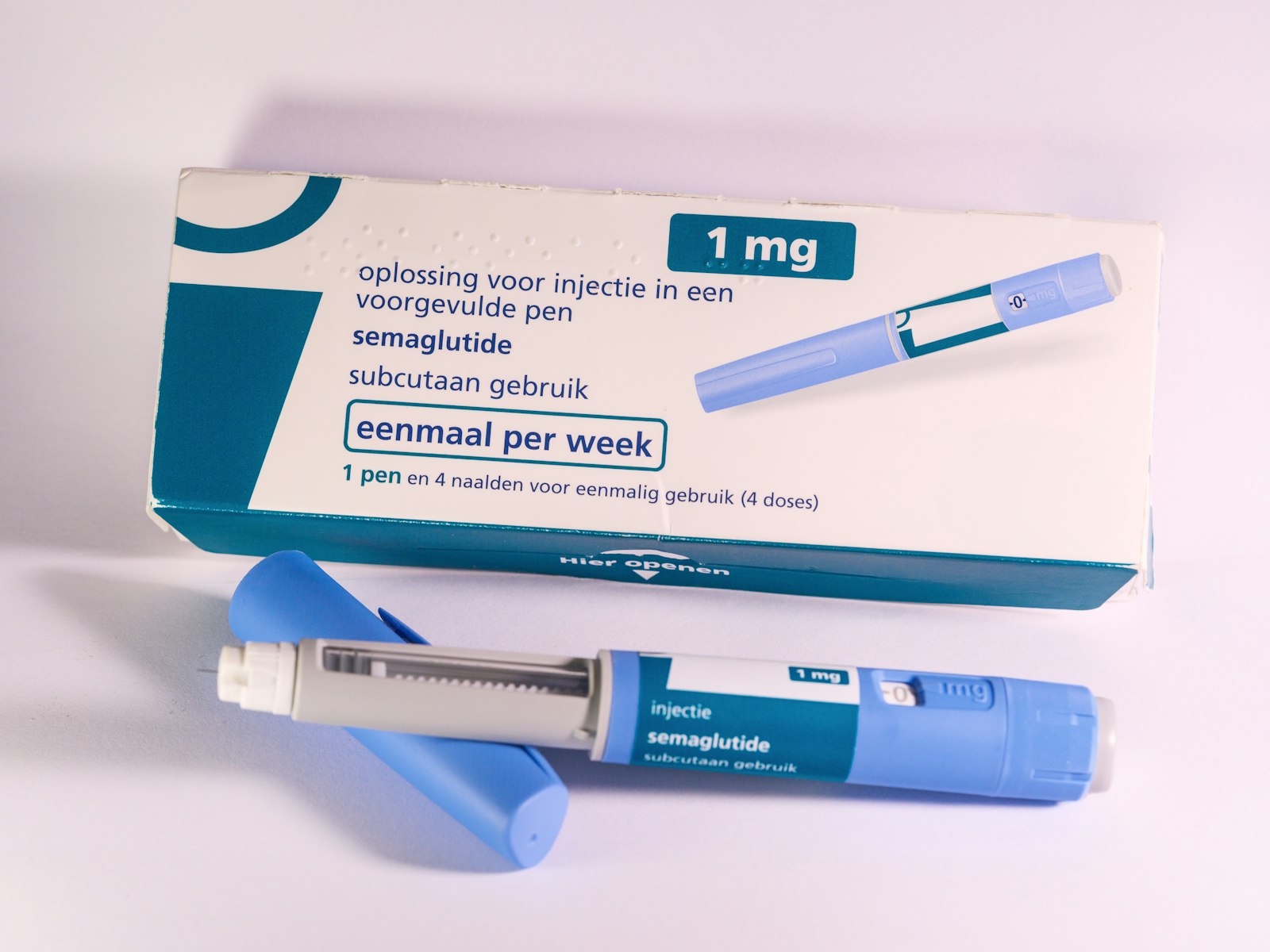
GLP-1 Monitoring: Safe Semaglutide and Tirzepatide Check-Ins—and 7 Clinic Red Flags
GLP-1 monitoring should continue throughout treatment, not end after your first prescription. During dose changes, many patients need a follow-up about every four weeks. Your provider may recommend earlier or more frequent check-ins based on symptoms, medical history, other medications, and treatment response. Once your dose and progress are stable, follow-up appointments may be spaced farther apart under physician guidance.
Safe monitoring is about more than checking the number on a scale. Your provider should review side effects, hydration, nutrition, medication use, health changes, and whether your current dose still fits your needs. This ongoing relationship is a central part of physician-guided weight loss.
How Often Should GLP-1 Follow-Up Appointments Happen?
There is no single schedule that is right for every patient. Semaglutide and tirzepatide plans usually begin with a lower dose and adjust gradually. Because many dose-escalation schedules use intervals of at least four weeks, a clinical review before each planned increase is a reasonable safety practice.
You may need an earlier appointment if you develop persistent nausea, vomiting, diarrhea, constipation, abdominal pain, dizziness, weakness, dehydration, or trouble eating enough food. Contact your provider promptly for severe or concerning symptoms instead of waiting for your next scheduled visit.
During maintenance, the timing of GLP-1 follow-up appointments should reflect your health risks, results, side effects, and goals. Automatic refills without meaningful clinical review are not the same as active monitoring.
What Safe Semaglutide and Tirzepatide Monitoring Should Include
A strong monitoring plan looks at the whole person. At Made Ya Skinny, the goal of a physician-supervised GLP-1 weight loss program is to support safe, sustainable progress with a plan that can change as your body changes.
Progress Beyond the Scale
Your provider should review weight trends, waist changes when appropriate, appetite, energy, sleep, strength, and daily function. A short-term scale change does not tell the whole story. The quality of your nutrition and your ability to preserve muscle also matter.
Side Effects and Hydration
Semaglutide monitoring and tirzepatide monitoring should include direct questions about nausea, vomiting, diarrhea, constipation, reflux, abdominal discomfort, fluid intake, and urination. Ongoing digestive symptoms can make it difficult to consume enough fluids, protein, and nutrients.
Dose, Timing, and Injection Technique
Your provider should confirm which medication you use, its concentration, your prescribed amount, and how you measure each dose. Instructions should be clear enough that you can explain them back confidently. Different concentrations and confusing measurement units can increase the risk of dosing mistakes.
Medical Conditions and Other Medications
Monitoring should include changes in your health and medication list. Your clinician may need to consider diabetes medications, kidney or gallbladder concerns, a history of pancreatitis, significant digestive disease, pregnancy plans, or certain personal and family thyroid cancer histories. Never stop or change another prescription without speaking with its prescriber.
Labs When Clinically Appropriate
Not every patient needs the same blood tests at every visit. Labs should be selected for a reason. Depending on your history and symptoms, a clinician may assess blood sugar, kidney function, thyroid markers, liver-related markers, nutrients, or hormones. Results should be interpreted alongside symptoms, medications, nutrition, and progress.
7 GLP-1 Clinic Red Flags
1. Nobody Reviews Your Full Medical History
A prescription should not be based only on your weight or an online questionnaire. Your clinician should review relevant diagnoses, medications, allergies, prior reactions, pregnancy considerations, and contraindications before treatment begins.
2. Your Dose Increases Automatically
A higher dose is not always the right next step. Titration should consider side effects, appetite control, nutritional intake, response, and overall tolerance. A clinic should never rush escalation because of a fixed calendar alone.
3. You Cannot Reach a Clinician When Symptoms Change
Patients need clear instructions for routine questions, urgent concerns, and emergencies. A clinic that only communicates when payment or refills are due is not providing meaningful GLP-1 monitoring.
4. Instructions Are Confusing or Incomplete
You should know your medication, prescribed dose, concentration, injection schedule, storage requirements, and measurement method. Vague directions such as “take this many units” without explaining the concentration can create avoidable risk.
5. Every Problem Is Answered With a Higher Dose
Stalled progress can have several causes. Nutrition, sleep, stress, activity, medication adherence, hormones, metabolic health, and medical conditions can all affect results. Dose escalation should not replace thoughtful evaluation.
6. The Clinic Only Tracks Pounds Lost
Safe care should also address hydration, protein intake, bowel habits, energy, strength, and sustainable routines. Losing weight while becoming weak, dehydrated, or unable to eat balanced meals is not a sign that monitoring can be skipped.
7. Refills Continue Without Real Follow-Up
Repeated refills without reviewing symptoms, progress, health changes, or medication use are a major red flag. Even when treatment is stable, your provider should maintain an appropriate clinical relationship and reassess your plan.
When Should You Seek Prompt Medical Help?
Contact your clinician promptly for symptoms that are severe, persistent, or worsening. These may include repeated vomiting, inability to keep fluids down, signs of dehydration, severe abdominal pain, fainting, allergic symptoms, or symptoms of very low blood sugar when using other glucose-lowering medications.
Call emergency services for a medical emergency. A blog cannot determine whether a symptom is serious or replace individualized medical care.
What Should You Ask a GLP-1 Provider?
Before choosing a clinic, ask direct questions:
- Who reviews my medical history and prescribes my medication?
- How often will my progress and side effects be reviewed?
- Can I speak with a clinician between scheduled visits?
- How do you decide whether to maintain, increase, decrease, or pause a dose?
- What instructions will I receive for measuring, storing, and using medication?
- When do you order labs, and how do those results change the plan?
- What happens if my progress stalls or weight returns?
A trustworthy provider should answer these questions clearly. Patients in Magnolia, Cypress, The Woodlands, Conroe, Willis, Montgomery, North Houston, and Tomball can use them when comparing local options. Telehealth consultations may also make physician-guided care available to eligible patients in multiple states.
Monitoring Matters When Weight Loss Stalls
When GLP-1 stops working or weight comes back, the answer is often in the blood work. Made Ya Skinny takes a functional medicine approach—running the right labs, reading them correctly, and building a plan around what your body actually needs rather than just increasing the dose.
This may include evaluating thyroid patterns, cortisol-related concerns, nutrient deficiencies, hormone balance, sleep, nutrition, and other factors that can affect progress. For women ages 35–55, a clinician may also consider whether hormonal changes warrant a discussion about bioidentical hormone replacement therapy. Treatment decisions remain individualized.
Frequently Asked Questions About GLP-1 Monitoring
How often should my GLP-1 provider check in?
Many patients have a clinical review about every four weeks during dose escalation. Earlier follow-up may be needed for side effects or health changes. Maintenance timing should be individualized by the treating clinician.
What happens during a GLP-1 follow-up appointment?
A useful follow-up reviews weight trends, appetite, side effects, hydration, nutrition, medication use, injection technique, health changes, and whether the current dose remains appropriate.
Do I need blood work while taking semaglutide or tirzepatide?
Blood work is individualized. Your clinician may recommend labs based on your history, symptoms, other medications, treatment response, or concerns such as dehydration, metabolic health, thyroid function, or nutrient status.
Is stalled weight loss always a reason to increase my dose?
No. A plateau can relate to nutrition, sleep, stress, activity, hormones, metabolic factors, medication use, or another health issue. Your provider should evaluate possible causes before changing your dose.
What is the biggest GLP-1 clinic red flag?
One major red flag is receiving ongoing refills without meaningful clinical review. Safe care requires clear prescribing oversight, side-effect monitoring, understandable dosing instructions, and access to help when concerns arise.
Start Physician-Guided Weight Loss in Magnolia, TX
Made Ya Skinny provides physician-guided weight loss with a warm, individualized approach. Care is nonsurgical and designed around daily life, with no procedure downtime. To discuss your goals, health history, and monitoring plan, visit Made Ya Skinny and book your $17 visit.