
“`html
Why GLP-1 Medications Can Break Down Muscle While the Scale Drops — What Semaglutide and Tirzepatide Actually Do to Body Composition and the Monitoring Protocol Most Online Prescribers Never Run
Muscle loss on semaglutide is one of the most underreported risks in the GLP-1 weight loss conversation — and one of the least monitored. The scale goes down. The photos look good. But when nobody measures what is being lost, patients can arrive at their goal weight carrying far less lean muscle than they started with. That is not a cosmetic concern. It is a metabolic one — and it directly affects how well the weight stays off.
At Made Ya Skinny’s physician-supervised GLP-1 weight loss program in Magnolia, TX, body composition monitoring is part of the standard of care. Here is why that matters, and what most online prescribers are not doing.
What GLP-1 Medications Actually Do to Your Body
GLP-1 receptor agonists like semaglutide and tirzepatide work by mimicking a natural gut hormone that reduces appetite, slows gastric emptying, and improves how the body handles blood sugar. The result is a significant calorie deficit that produces meaningful weight loss — often 15 to 20 percent or more of starting body weight in clinical trials.
That weight loss is real. What the headline numbers do not always communicate clearly is that not all of it is fat.
The Scale Tells One Story. Your Muscle Mass Tells Another.
In clinical studies of semaglutide and tirzepatide, a meaningful portion of total weight lost — estimates range from roughly 25 to 40 percent depending on the study and the individual — came from lean mass rather than fat tissue. Lean mass includes muscle, bone density, and organ tissue. When people lose it rapidly without intervention, the consequences accumulate quietly:
- Slower resting metabolism, making long-term weight maintenance harder
- Reduced strength and physical function
- Greater risk of weight regain after stopping the medication
- Increased risk of injury and falls, particularly in patients over 50
- Hormonal disruption that further compounds fatigue and loss of drive
This phenomenon even has a clinical name — GLP-1-associated sarcopenia — and it is increasingly recognized as the unintended trade-off of rapid, unsupervised medication-driven weight loss.
Why Muscle Loss Matters More Than the Number on the Scale
Muscle is metabolically expensive to maintain. That is its greatest advantage — the more lean tissue you carry, the more calories your body burns at rest. When GLP-1 weight loss erodes muscle instead of targeting fat stores preferentially, it shrinks that metabolic advantage at exactly the moment you need it most.
Patients who lose substantial lean mass during a GLP-1 course often report a familiar pattern: the weight comes off, they reach their goal, they reduce or stop the medication — and within months the weight starts returning. Sometimes faster than it left. This is not a willpower failure. It is a physiological consequence of losing the metabolic engine that keeps weight in check.
A scale alone — or even a standard BMI calculation — cannot detect this. You need to measure what is actually changing inside the body.
The Monitoring Protocol Most Online Prescribers Skip
The rise of online GLP-1 prescribers has expanded access to these medications for millions of people. It has also created a prescribing environment where monitoring often begins and ends with: Did your weight go down? Are you experiencing side effects?
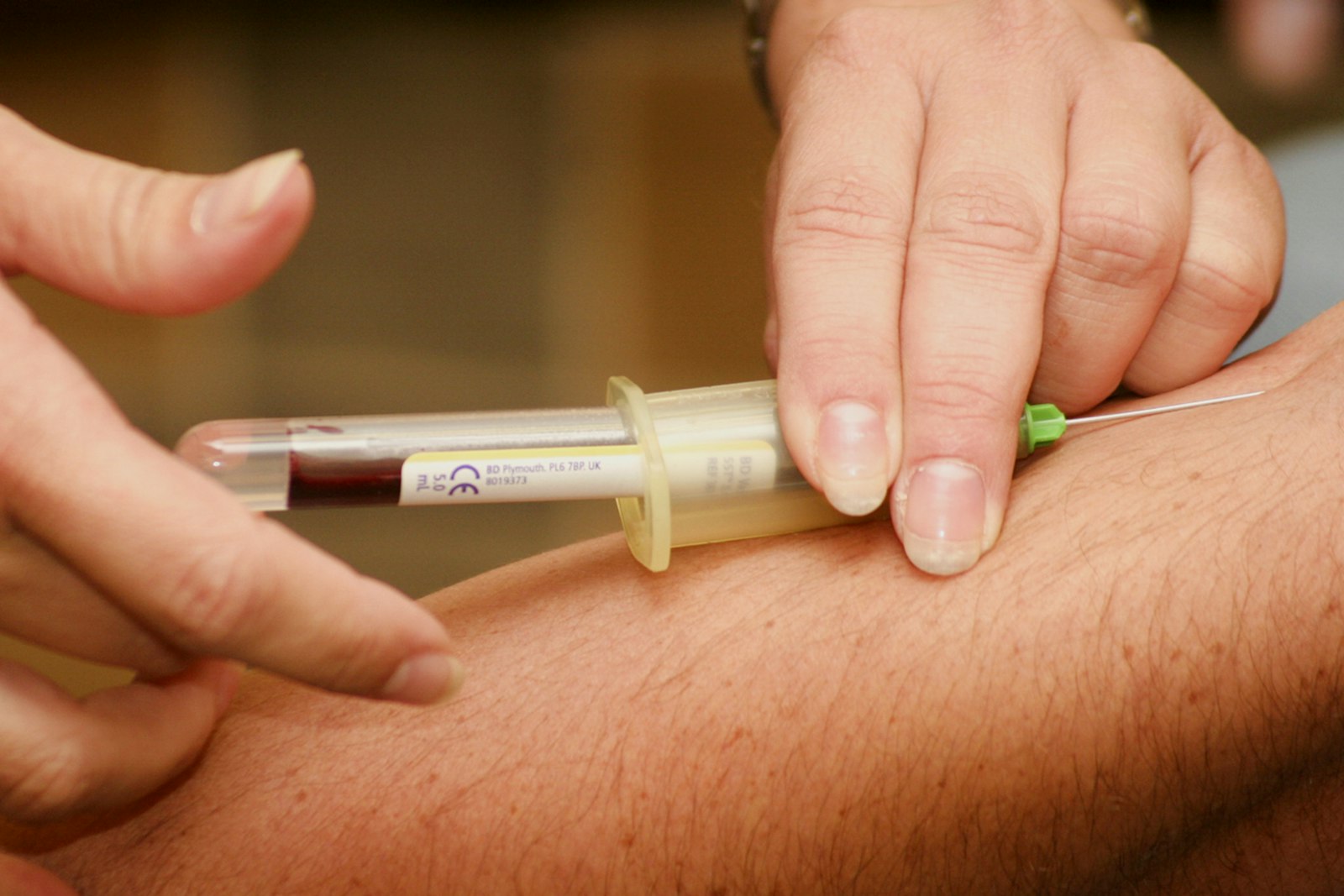
That is not enough. Physician-supervised weight loss means running the right tests at the right intervals and adjusting the plan based on what the body is actually doing — not just what the scale reports.
Labs That Actually Tell You What Is Happening Inside Your Body
A complete monitoring protocol for GLP-1 patients should include more than a basic metabolic panel. The labs that reveal body composition changes and downstream risk include:
- Comprehensive metabolic panel — kidney and liver function, electrolytes, glucose
- Albumin and prealbumin — protein status markers; declining albumin signals the body is breaking down lean tissue for fuel
- Complete blood count (CBC) — screens for anemia and immune stress that can accompany aggressive calorie restriction
- Thyroid panel (TSH, free T3, free T4) — thyroid function directly governs metabolic rate; undetected hypothyroidism blunts results and accelerates muscle loss
- Sex hormones — testosterone and estradiol — both are critical for muscle preservation; caloric deficit and rapid fat loss can suppress these significantly in both men and women
- Cortisol — chronically elevated cortisol promotes muscle breakdown and fat storage, particularly around the abdomen
- Insulin and fasting glucose — to assess true metabolic response beyond weight
- Vitamin D, B12, ferritin — deficiencies in any of these can cause fatigue, weakness, and accelerated muscle loss that gets blamed on the medication
Most online prescribers run none of these beyond the initial intake screen — and some run none at all. When something goes wrong, there is no baseline to compare against.
Styku 3D Body Scanning: Seeing What the Scale Cannot
Labs tell the biochemical story. Body composition scanning tells the structural one. Made Ya Skinny uses Styku 3D body scanning to track what is actually changing in a patient’s body over the course of GLP-1 treatment — not just total pounds, but fat mass versus lean mass, and where the changes are occurring.
This is the difference between knowing you lost 30 pounds and knowing whether those 30 pounds were fat, muscle, or a combination of both. That distinction drives every clinical decision that follows: protein targets, resistance training guidance, dosing adjustments, and whether BHRT may be appropriate.
How BHRT Can Help Protect Muscle During GLP-1 Weight Loss
Bioidentical hormone replacement therapy (BHRT) is not a weight loss treatment on its own. But when hormones are low — as they frequently are in the 35–60 patient population pursuing GLP-1 therapy — replacing them to physiologic levels is one of the most evidence-supported strategies for preserving lean tissue during a calorie deficit.
Testosterone, in particular, plays a direct role in muscle protein synthesis. Estradiol contributes to connective tissue integrity and metabolic efficiency. When GLP-1 weight loss is layered on top of already-low hormone levels, patients lose muscle faster and recover from exercise more slowly. Optimizing hormones alongside the GLP-1 protocol changes the body composition trajectory — patients lose more fat and hold more muscle.
This is not a common conversation at online prescribing platforms. It is a routine part of the evaluation at Made Ya Skinny.
When GLP-1 Stops Working or Weight Comes Back, the Answer Is in the Labs
When a GLP-1 medication stops producing results — or the weight returns after stopping — the instinct at most platforms is to increase the dose or switch medications. The more complete question is: why did it stop working in the first place?
When GLP-1 stops working or weight comes back, the answer is often in the blood work. Made Ya Skinny takes a functional medicine approach — running the right labs, reading them correctly, and building a plan around what your body actually needs rather than just increasing the dose. A suppressed thyroid, tanked testosterone, elevated cortisol, or a protein deficiency can each independently derail results. The lab work reveals which one is driving the problem.
This approach also means patients who want to eventually reduce or stop GLP-1 therapy have a metabolic foundation in place — preserved muscle mass, optimized hormones, corrected deficiencies — that makes long-term maintenance realistic rather than wishful.
What Physician-Supervised GLP-1 Care in Magnolia, TX Looks Like
Made Ya Skinny serves patients in Magnolia, Cypress, The Woodlands, Conroe, Willis, Montgomery, Tomball, and across North Houston — and offers telehealth consultations for patients throughout Texas and multiple states.
Every GLP-1 patient receives:
- A physician-led intake visit that includes baseline labs and body composition assessment
- Styku 3D body scanning to track fat versus lean mass — not just weight
- Ongoing lab monitoring at clinical intervals to catch protein loss, hormonal suppression, and metabolic drift before they become problems
- Access to BHRT evaluation when hormone levels are contributing to plateau or muscle loss
- A functional medicine lens on the whole patient — not just the prescription pad
The goal is not just a lower number on the scale. It is a body composition that functions well, a metabolism that can sustain the result, and a patient who feels strong — not depleted — at the end of the process.
If you are currently on semaglutide or tirzepatide through an online provider and have never had your body composition tracked or a full lab panel run, that is worth knowing. Book your $17 visit with the Made Ya Skinny team and find out what the scale has not been telling you.
Frequently Asked Questions
How much muscle do you lose on semaglutide?
Clinical research on semaglutide suggests that roughly 25 to 40 percent of total weight lost can come from lean mass rather than fat, depending on the individual’s protein intake, exercise habits, hormone levels, and rate of weight loss. Without body composition tracking, this often goes undetected until the patient notices reduced strength, increased fatigue, or unexpected weight regain after stopping the medication.
Does tirzepatide cause muscle loss too?
Yes. Tirzepatide produces greater overall weight loss than semaglutide in head-to-head comparisons, but the risk of lean mass loss follows a similar pattern. The magnitude depends on the same factors — protein intake, resistance training, hormone status, and how closely body composition is being monitored. Faster weight loss does not automatically mean better body composition outcomes.
What labs should be run while taking GLP-1 medications?
At minimum: a comprehensive metabolic panel, CBC, thyroid panel (TSH, free T3, free T4), sex hormones (testosterone, estradiol), cortisol, albumin, and key micronutrients including vitamin D, B12, and ferritin. These labs together reveal whether the body is breaking down muscle for fuel, whether hormone levels are dropping, and whether any deficiencies are blunting results or accelerating lean mass loss.
Can BHRT help prevent muscle loss on GLP-1 medications?
When hormone levels are clinically low, optimizing them through bioidentical hormone replacement therapy can help protect lean muscle tissue during GLP-1 weight loss. Testosterone, in particular, directly supports muscle protein synthesis. For women aged 35 to 55 and men experiencing andropause, declining hormones are often the hidden reason the scale keeps dropping in the wrong direction — or why results plateau entirely.
Is physician-supervised GLP-1 treatment available near Magnolia, TX?
Yes. Made Ya Skinny is located in Magnolia, TX and serves patients throughout the greater North Houston area including Cypress, The Woodlands, Conroe, and Tomball. Telehealth consultations are also available for patients across Texas and multiple additional states. Physician-supervised care includes body composition tracking, lab monitoring, and functional medicine evaluation — services that online-only prescribers typically do not offer.
“`