
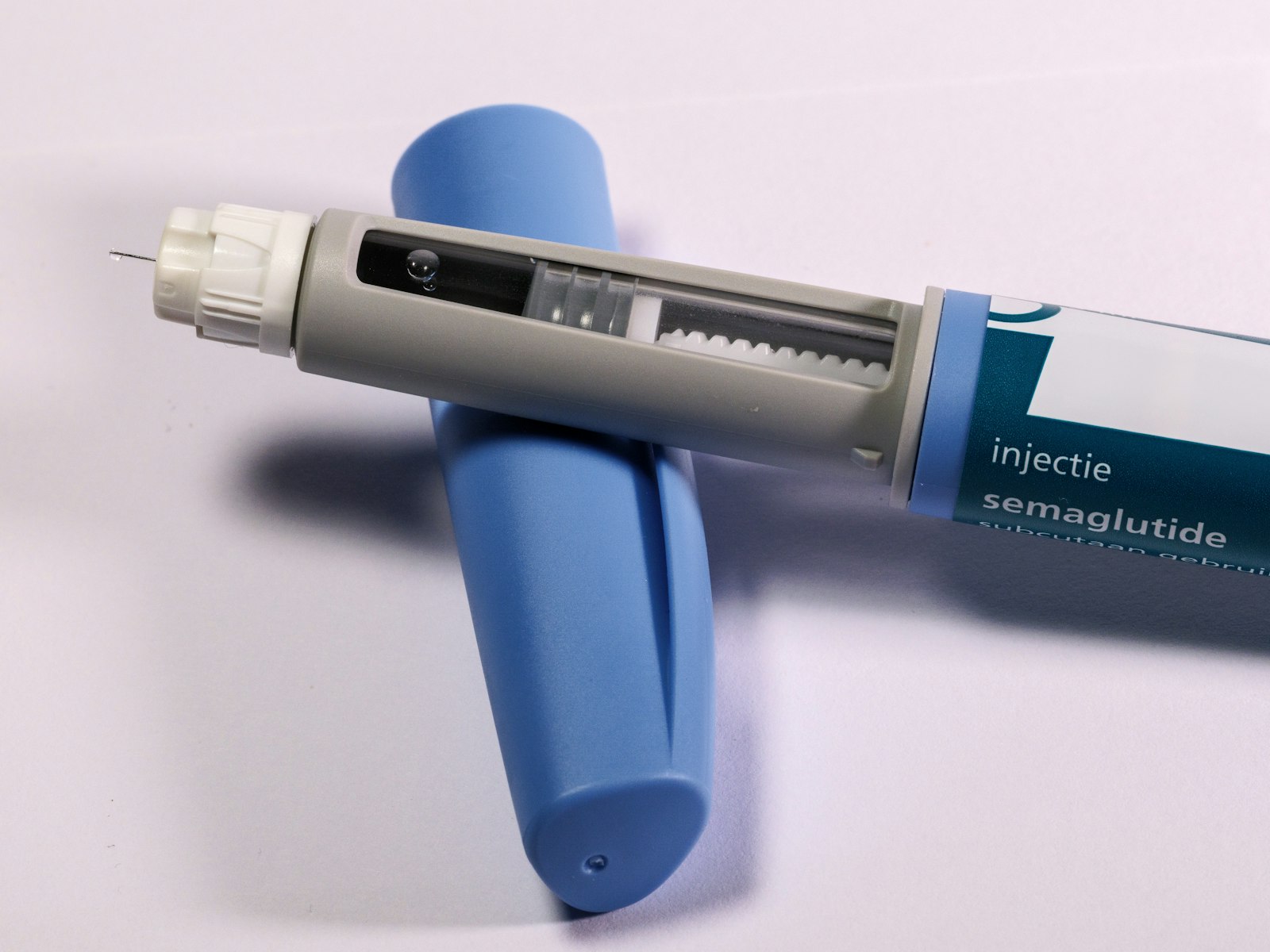
Constipated on Semaglutide or Tirzepatide? Why GLP-1 Gut Slowdown Affects More Than Your Comfort — and What a Physician-Guided Program Can Do About It
If you’re experiencing constipation on semaglutide or tirzepatide, you’re not alone — and you’re not imagining it. Digestive changes are among the most commonly reported GLP-1 side effects, and constipation specifically can develop even weeks or months into treatment, long after the nausea phase has passed. What most patients don’t realize is that gut slowdown doesn’t just affect how you feel. It can show up on your scale, interfere with your progress, and signal that something deeper needs attention. Understanding what’s happening — and what a physician-guided program can do about it — is the first step toward staying on track.
How GLP-1 Medications Slow Your Digestive System
Semaglutide and tirzepatide work in part by slowing gastric emptying — the rate at which your stomach releases food into the small intestine. This is intentional. Slower emptying extends the feeling of fullness and helps reduce calorie intake. But the same mechanism that keeps you satisfied longer also affects the entire length of your gastrointestinal tract.
GLP-1 receptors are distributed throughout the gut, not just the stomach. When activated, they reduce the rhythmic muscle contractions that move food through the intestines. For many patients, this means stool moves more slowly, becomes harder, and constipation develops. Clinical trials for both semaglutide (used in Ozempic and Wegovy) and tirzepatide (used in Mounjaro and Zepbound) reported constipation in a meaningful percentage of participants — in some trials, more than one in ten patients experienced it.
Constipation is not a sign that the medication isn’t working. It’s a predictable physiological response to how these medications interact with the digestive nervous system. The problem is that without physician oversight, it can go unmanaged — and unmanaged, it creates a cascade of secondary effects that most patients attribute to something else entirely.
Why Constipation on Semaglutide and Tirzepatide Can Stall Your Weight Loss
This is where the conversation gets important. Most patients treat constipation as a comfort issue. It’s not just that.
The Scale Isn’t Moving — But It Might Not Be a True Plateau
When stool accumulates in the colon, it adds weight — sometimes several pounds. Patients on GLP-1 therapy who are also constipated may see the scale stay flat or even climb slightly, and incorrectly conclude that the medication has stopped working. This leads to unnecessary frustration, unplanned dose escalation conversations, and sometimes stopping treatment altogether when the real issue was digestive, not metabolic.
A physician monitoring your progress can distinguish between a pharmacological plateau and a functional one. That distinction matters enormously. One may require a clinical review of your treatment plan; the other often resolves with targeted, supervised support — and your progress resumes.
Dehydration, Electrolytes, and the Metabolism Connection
Constipation during GLP-1 therapy often goes hand-in-hand with reduced fluid and fiber intake — both of which naturally decline when appetite is suppressed. Patients eating less may also be drinking less, and without adequate hydration, the colon draws more water from stool, worsening constipation. The magnesium and electrolyte imbalances that develop alongside this cycle don’t just affect digestion. They affect energy, muscle function, sleep quality, and mood — all factors that influence how consistently a patient can stay committed to a weight loss plan.
Managing GLP-1 side effects in isolation from the rest of your health picture is like fixing one flat tire while ignoring the alignment. That’s why a physician-supervised GLP-1 weight loss program looks at the whole patient — not just the injection schedule.
What Physician-Guided GLP-1 Care Can Do That Self-Managing Can’t
When constipation is monitored as part of a supervised program, the response is personalized and proactive. That looks different for every patient, but it typically includes approaches that simply aren’t available through an automated subscription platform or an unmonitored telehealth script.
- Dosing review: Constipation often worsens during dose escalation phases. A prescriber can evaluate whether the current titration schedule is appropriate for your individual response and make adjustments based on how your body is tolerating the medication — not a one-size protocol.
- Targeted supplementation guidance: Magnesium, soluble fiber, and hydration strategies work differently depending on a patient’s overall health profile, other medications, and lab values. Recommending the right approach requires knowing the full picture.
- Distinguishing GI side effects from other conditions: Not all constipation during GLP-1 therapy is caused by the medication. Thyroid dysfunction, pelvic floor issues, and other conditions can present similarly. A physician can order the appropriate labs and refer when needed.
- Monitoring for complications: Severe or prolonged gut motility slowing can contribute to more significant issues. Physician oversight ensures that warning signs aren’t missed or normalized.
When Gut Issues Are a Signal, Not Just a Side Effect
One of the most important things a physician-supervised program watches for is the difference between a side effect and a symptom. Persistent constipation that doesn’t resolve with standard interventions, that worsens over time, or that accompanies other changes — fatigue, cold intolerance, unexplained weight gain despite full adherence — deserves a deeper look.
When GLP-1 stops working or weight comes back, the answer is often in the blood work. Made Ya Skinny takes a functional medicine approach — running the right labs, reading them correctly, and building a plan around what your body actually needs rather than just increasing the dose. Thyroid function, cortisol patterns, and nutrient status all influence how your gut and your metabolism respond to treatment. Patients who feel like they’re doing everything right and still stalling frequently have an answer waiting in a lab panel that was never ordered.
This is especially relevant for women between 35 and 55, where hormonal shifts can amplify GLP-1 digestive side effects and simultaneously suppress metabolism in ways that standard weight loss programs aren’t designed to address.
Practical Support for GLP-1 Digestive Side Effects
While your physician works through the clinical picture, a few evidence-based principles support digestive health during GLP-1 therapy. These are supportive measures — not substitutes for physician oversight — but they’re worth discussing with your provider.
- Consistent hydration: Aim for steady water intake throughout the day, especially when appetite — and thirst — are suppressed by the medication.
- Fiber type and timing: Soluble fiber (oats, psyllium, chia seeds) tends to be better tolerated than insoluble fiber for patients experiencing GLP-1 gut slowing. Introduce gradually and monitor your response.
- Light movement after meals: Even short walks support gut motility and contribute to your overall progress.
- Consistent reporting: Tell your provider about digestive changes. Don’t assume they’re normal until someone has assessed them in the context of your specific treatment and dose.
What works for one patient at one dose may not work for another. What feels like a minor side effect to manage may actually be a signal that something in the treatment plan itself needs to change. That distinction is only accessible through physician oversight — not a symptom tracker or a FAQ page.
Medical Weight Loss in Magnolia, TX — Built Around Your Whole Picture
Made Ya Skinny is a physician-guided weight loss program serving Magnolia, Cypress, The Woodlands, Conroe, Willis, Montgomery, Tomball, and North Houston — with telehealth available across multiple states. GLP-1 therapy here isn’t managed through an app or an automated pipeline. It’s managed by a physician who reviews your labs, monitors your response, and adjusts your plan based on what your body is actually doing — digestive health included.
If you’re dealing with constipation on semaglutide or tirzepatide, a scale that won’t move, or GLP-1 side effects that are making it harder to stay consistent, the answer isn’t to push through alone or abandon the medication. The answer is physician oversight with the full picture in view.
Book your $17 visit and talk to a physician who manages GLP-1 therapy as a medical program. Individual results vary.