
Why Do GLP-1 Medications Cause Sulfur Burps and Bloating—and When Should You Call Your Doctor?
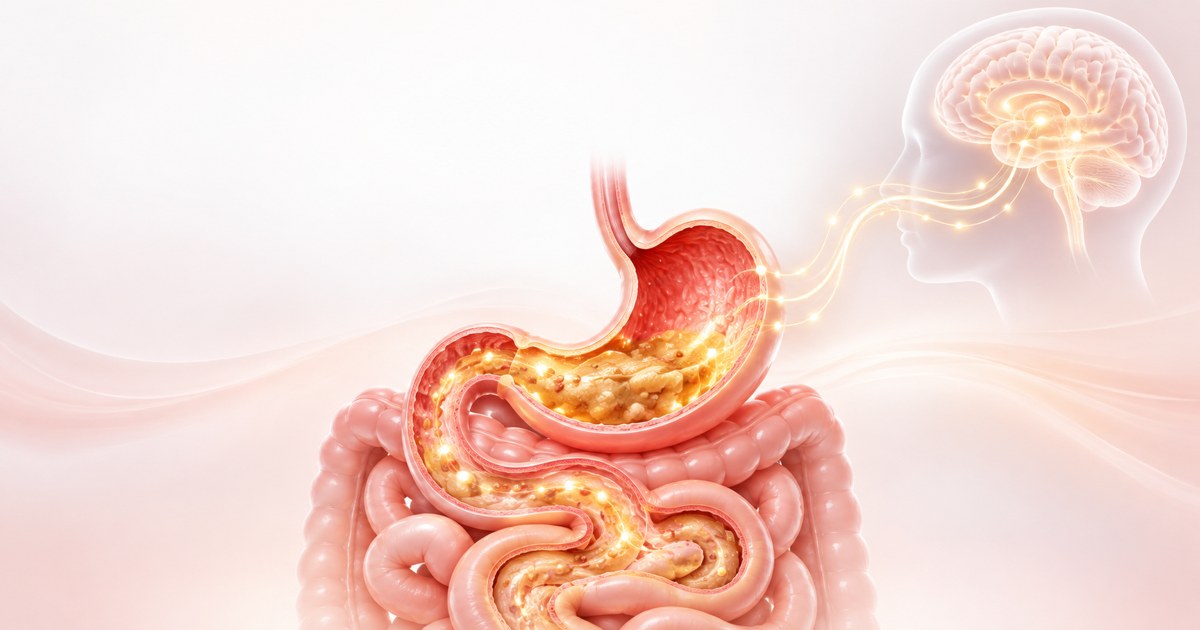
GLP-1 sulfur burps can occur when medications such as semaglutide or tirzepatide slow digestion. Food remains in the stomach longer, which may increase fermentation, gas, bloating, and burps with a sulfur-like odor. These symptoms are often manageable, but persistent or severe digestive problems deserve medical attention.
Understanding what causes these symptoms can help you respond safely without abandoning your weight-loss goals. Physician supervision is important because digestive symptoms may reflect meal size, food choices, constipation, dose escalation, another medication, or a condition unrelated to GLP-1 treatment.
Why Do GLP-1 Medications Affect Digestion?
GLP-1 medications support weight management partly by reducing appetite and slowing gastric emptying. Gastric emptying is the movement of food from the stomach into the small intestine. When that process slows, you may feel full after eating less food and remain satisfied longer.
The same effect can produce GLP-1 digestive side effects. Common symptoms include nausea, constipation, diarrhea, abdominal fullness, reflux, gas, bloating, and increased burping. Symptoms may be more noticeable when treatment begins or after a dose increase.
Semaglutide and tirzepatide do not affect every patient in the same way. Your dose, eating pattern, hydration, medical history, and other medications can influence your response. That is why a physician-supervised GLP-1 weight loss program should include ongoing monitoring rather than medication alone.
What Causes GLP-1 Sulfur Burps?
Sulfur burps smell similar to rotten eggs because they contain hydrogen sulfide gas. This gas can form as bacteria break down food and sulfur-containing compounds inside the digestive tract.
GLP-1 medications do not necessarily create sulfur gas directly. Slower digestion may give food and gas more time to collect in the stomach or intestines. Burping then releases that gas.
Factors That May Make Sulfur Burps Worse
- Eating large meals despite feeling full
- Eating quickly or swallowing excess air
- High-fat, fried, or heavily processed foods
- Carbonated beverages
- Constipation or slowed bowel movements
- A recent dose increase
- Foods that personally trigger gas or reflux
- Taking other medications that affect digestion
Foods containing sulfur, including eggs, some meats, garlic, onions, broccoli, and cabbage, may intensify odor for certain people. These foods are not automatically unhealthy and do not need to be removed permanently. A short food-and-symptom record can help identify your individual triggers.
Are Semaglutide Sulfur Burps and Tirzepatide Bloating Normal?
Burping, abdominal distension, gas, nausea, and other digestive symptoms are recognized effects associated with GLP-1 treatment. Semaglutide sulfur burps and tirzepatide bloating may be temporary, especially during early treatment or dose escalation.
Brand-name medications such as Ozempic and Wegovy contain semaglutide. Mounjaro and Zepbound contain tirzepatide. Searches for Ozempic burping and gas or Zepbound stomach problems often describe similar concerns, but the correct response depends on the person and the severity of the symptoms.
Mild symptoms that improve with smaller meals and time may not signal a dangerous problem. Symptoms that are severe, worsening, or interfering with hydration, nutrition, sleep, or daily activities should be reported to your prescriber.
How Can You Reduce Sulfur Burps and Bloating?
Do not change your dose or stop a prescribed medication without speaking with your clinician. Instead, begin with gentle changes that reduce digestive pressure and help your care team identify patterns.
Try Smaller, Slower Meals
Large portions can be difficult to tolerate when stomach emptying is slower. Serve a smaller portion, chew thoroughly, and pause when you begin to feel full. Avoid lying down immediately after eating.
Choose Simpler Foods During a Flare
Temporarily reduce foods that are greasy, fried, very spicy, or unusually rich. Focus on foods you already know you tolerate. Nutritional needs differ, so ask your clinician before making restrictive or long-term dietary changes.
Limit Carbonation and Excess Air
Soda, sparkling water, drinking through straws, chewing gum, and eating quickly may increase swallowed air. Reducing these habits may ease pressure and burping.
Support Hydration and Regular Bowel Movements
Constipation can contribute to bloating and gas. Sip fluids throughout the day if you have not been given a fluid restriction. Discuss persistent constipation with your clinician before using laxatives, supplements, or over-the-counter remedies.
Track Timing and Triggers
Record meals, symptoms, bowel movements, injection dates, and dose changes. This information can help your prescriber determine whether symptoms relate to food, constipation, dose escalation, or another health issue.
When Should You Call Your Doctor?
Contact your prescriber when sulfur burps or bloating persist, worsen, return repeatedly, or make it difficult to eat and drink. You should also call if symptoms begin after a dose increase or occur with frequent vomiting, ongoing diarrhea, significant constipation, reflux, or increasing abdominal discomfort.
Seek prompt medical guidance if you notice signs of dehydration, including dizziness, weakness, very dark urine, or reduced urination. Vomiting and diarrhea can cause fluid loss, which may affect kidney function.
When Should You Seek Urgent Medical Care?
Some symptoms require urgent evaluation rather than home management. Seek immediate medical care for:
- Severe or persistent abdominal pain, especially if it radiates to the back
- Repeated vomiting or an inability to keep fluids down
- A swollen abdomen with severe pain or inability to pass stool or gas
- Upper abdominal pain with fever, yellow skin, or yellow eyes
- Blood in vomit or stool, or black, tar-like stool
- Trouble breathing, facial swelling, or other signs of a serious allergic reaction
- Fainting, confusion, or severe weakness
These symptoms may indicate pancreatitis, gallbladder disease, severe dehydration, an intestinal blockage, or another condition requiring medical care. Sulfur burps alone cannot diagnose the cause.
Why Physician-Guided GLP-1 Care Matters
Medical weight loss should involve more than receiving injections. A clinician should review your history, current medications, side effects, nutrition, hydration, and treatment response. Dose changes should be based on clinical judgment, not pressure to increase medication as quickly as possible.
For patients seeking medical weight loss in Magnolia, TX, Cypress, The Woodlands, Conroe, Willis, Montgomery, North Houston, or Tomball, Made Ya Skinny provides physician-guided care with telehealth availability in multiple states. Treatment may include semaglutide or tirzepatide when clinically appropriate. Individual results and medication tolerance vary.
No honest clinic can promise the same amount of weight loss or the same timeline for every patient. Safe care adapts to your body, symptoms, laboratory findings, and health goals.
What If Your Progress Has Stalled?
Digestive symptoms are not the only reason to reassess treatment. Hormonal changes, thyroid function, stress physiology, nutrient deficiencies, sleep, and metabolic health may affect weight-loss progress. For women ages 35 to 55, symptoms associated with hormonal changes may also deserve evaluation. BHRT may be considered only after an individualized medical assessment.
When GLP-1 stops working or weight comes back, the answer is often in the blood work. Made Ya Skinny takes a functional medicine approach—running the right labs, reading them correctly, and building a plan around what your body actually needs rather than just increasing the dose.
This approach helps connect symptoms, laboratory findings, hormones, and treatment response. Learn more about the physician-guided weight management approach at Made Ya Skinny.
Frequently Asked Questions
Why do my GLP-1 burps smell like sulfur?
Slower stomach emptying may allow food to remain in the digestive tract longer. Bacterial breakdown can produce hydrogen sulfide gas, which creates a rotten-egg odor. Food choices, constipation, and meal size may also contribute.
Do sulfur burps mean my GLP-1 dose is too high?
Not necessarily. Symptoms can occur at different doses, but new or worsening symptoms after an increase should be discussed with your prescriber. Do not adjust your dose on your own.
How long do semaglutide sulfur burps last?
Duration varies. Some people improve as their bodies adjust, while others need changes to meal size, food choices, constipation management, or their treatment plan. Persistent symptoms require medical review.
When is GLP-1 bloating an emergency?
Seek urgent care for severe or persistent abdominal pain, repeated vomiting, inability to keep fluids down, marked swelling with inability to pass stool or gas, yellowing of the skin or eyes, or signs of a serious allergic reaction.
Can Made Ya Skinny help with GLP-1 digestive side effects?
Made Ya Skinny provides physician-guided weight management, side-effect monitoring, laboratory evaluation, and individualized treatment planning. In-person care is available in Magnolia and Cypress, with telehealth available in multiple states.
Get Personalized Medical Weight-Loss Support
GLP-1 sulfur burps and bloating can be uncomfortable, but you do not have to troubleshoot them alone. Made Ya Skinny offers physician-guided weight management with no surgery and no downtime. To discuss your symptoms, health history, and goals, book your $17 visit.