
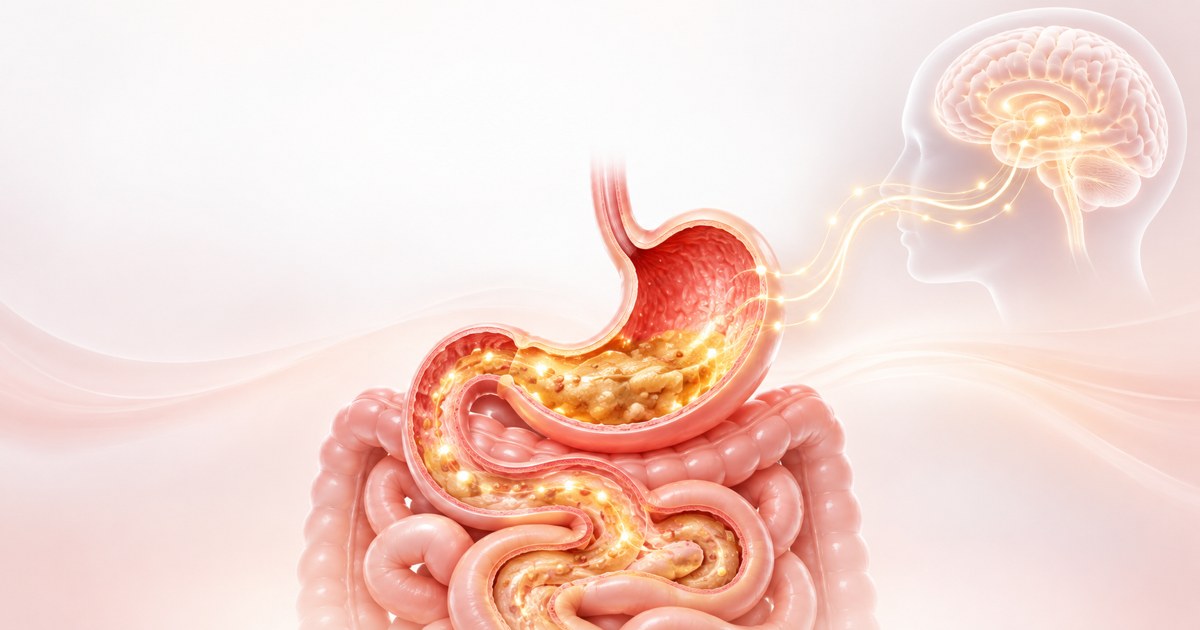
GLP-1 Slow Digestion Warning Signs: Expected Fullness vs. Symptoms That Need Attention
GLP-1 slow digestion warning signs can be difficult to separate from expected appetite changes. Feeling full for several hours may occur because GLP-1 medications slow gastric emptying and increase satiety. However, persistent vomiting, severe abdominal pain, dehydration, or an inability to keep liquids down requires prompt medical attention. Knowing the difference can help you respond safely while continuing a physician-guided weight loss plan.
Semaglutide and tirzepatide affect several systems involved in hunger, blood sugar regulation, and digestion. Their effects can make smaller meals feel satisfying for longer. That response may support weight management, but stronger or worsening digestive symptoms should never be ignored.
Why Can a GLP-1 Make You Feel Full for Hours?
GLP-1 receptor agonists influence signals between the digestive system and brain. One effect is delayed gastric emptying, meaning food may move from the stomach into the small intestine more slowly. This can reduce hunger and extend the feeling of fullness after a meal.
A person experiencing semaglutide feeling full for hours may also notice a smaller appetite, mild nausea, burping, bloating, constipation, or less interest in large meals. Tirzepatide digestion side effects can be similar because tirzepatide also affects pathways involved in appetite and gastrointestinal movement.
These effects often become more noticeable when treatment begins or after a dose increase. Severity varies. Medication, dose, meal size, hydration, other health conditions, and additional medications can all affect the experience.
What Slower Digestion May Feel Like
Mild symptoms do not automatically indicate a serious problem. Expected effects may include:
- Feeling satisfied after a smaller portion
- Remaining full longer than before treatment
- Mild, occasional nausea
- Temporary bloating or belching
- Reduced appetite without difficulty drinking fluids
- Mild constipation that remains manageable
The key questions are whether symptoms are mild, whether they improve, and whether you can eat and drink enough to stay hydrated and nourished. Symptoms that disrupt daily life, intensify, or continue despite adjustments deserve a conversation with your prescribing clinician.
At Made Ya Skinny, a physician-supervised GLP-1 weight loss program considers medication response, nutrition, hydration, health history, and laboratory findings. Treatment decisions should be individualized rather than based on a standard dose or timeline.
When Fullness May Be More Than an Expected Side Effect
Feeling full is not the same as being unable to tolerate food or fluids. Contact your clinician promptly if fullness becomes persistent, painful, or associated with repeated vomiting. You should also report symptoms that begin after a dose change or continue to worsen instead of settling.
Call Your Prescribing Clinician About These Symptoms
- Ongoing nausea that limits eating or drinking
- Repeated vomiting
- Food appearing undigested in vomit hours after eating
- Increasing abdominal bloating or distention
- Persistent upper abdominal discomfort
- Severe or worsening constipation
- Feeling full after only a few bites at nearly every meal
- Difficulty meeting basic fluid or nutrition needs
- Dizziness, unusual weakness, dark urine, or reduced urination
- Digestive symptoms that interfere with work, sleep, or normal activities
Your clinician may review your dose, escalation schedule, meal pattern, hydration, other medications, and medical history. Do not increase, reduce, or stop a prescribed medication without medical guidance unless an emergency professional directs you to do so.
When to Seek Urgent or Emergency Care
Some symptoms require urgent evaluation rather than waiting for a routine appointment. Seek immediate medical care for:
- Sudden, severe, or persistent abdominal pain
- Severe abdominal pain that spreads toward the back
- Vomiting that does not stop
- Inability to keep liquids down
- Vomiting blood or material that resembles coffee grounds
- Fainting, confusion, extreme weakness, or difficulty breathing
- A swollen abdomen with severe pain or an inability to pass stool or gas
- Signs of significant dehydration, including very little urine, extreme thirst, or marked light-headedness
- Severe symptoms accompanied by fever
These symptoms may have several causes, including conditions unrelated to medication. Prompt evaluation is important because symptoms alone cannot identify the cause. Call 911 for a life-threatening emergency.
Does Feeling Full Mean You Have Gastroparesis?
No. Feeling full for hours does not by itself establish gastroparesis. Gastroparesis is a medical disorder in which stomach emptying is abnormally slow without a mechanical blockage. Diagnosis requires a medical history, clinical evaluation, and sometimes testing that measures stomach emptying.
Possible GLP-1 gastroparesis symptoms can include persistent early fullness, prolonged fullness after meals, nausea, vomiting, bloating, belching, upper abdominal pain, heartburn, and poor appetite. These symptoms overlap with common medication effects and other digestive conditions. A clinician must evaluate the full pattern.
Tell your prescriber if you had digestive motility problems before beginning treatment. Also discuss every prescription medication, over-the-counter product, and supplement you use. Some medicines can affect gastrointestinal movement or worsen constipation.
How to Manage Mild Fullness Safely
If symptoms are mild, practical changes may improve comfort. Follow the nutrition and medication instructions provided by your clinician.
- Eat smaller meals and stop when comfortably satisfied.
- Eat slowly and chew food thoroughly.
- Avoid forcing a large meal when you already feel full.
- Drink fluids regularly unless a clinician has restricted your intake.
- Notice whether very large, rich, or high-fat meals worsen symptoms.
- Track symptom timing in relation to injections, meals, and dose changes.
- Report persistent constipation before it becomes severe.
- Ask your clinician how to maintain adequate protein and nutrients.
Do not treat prolonged inability to eat as evidence that the medication is working better. Effective weight management should also protect hydration, nutrition, strength, and overall health.
Why Physician Supervision Matters
GLP-1 treatment is more than receiving an injection. Responsible care includes confirming whether medication is appropriate, selecting a starting plan, monitoring tolerance, reviewing progress, and responding when symptoms change.
No honest clinic can promise the same digestive experience, weight change, or timeline for every patient. Individual results vary. A dose that works well for one person may be poorly tolerated by another. More medication is not automatically better.
Patients should tell every healthcare professional that they take a GLP-1 medication, especially before surgery, endoscopy, or another procedure involving anesthesia or deep sedation. Delayed gastric emptying may affect how clinicians plan fasting and procedural care. Follow instructions from the procedural and prescribing teams rather than changing treatment independently.
What If Weight Loss Stalls While Digestion Feels Slow?
Longer fullness does not always mean the broader weight loss plan is optimized. Sleep, stress, thyroid function, hormone balance, nutrient status, glucose regulation, food intake, and muscle preservation may all influence progress.
Women between 35 and 55 may also experience hormonal changes that affect energy, body composition, sleep, and appetite. When clinically appropriate, evaluation may include blood testing and discussion of bioidentical hormone replacement therapy. BHRT is not right for everyone and requires individualized medical assessment.
When GLP-1 stops working or weight comes back, the answer is often in the blood work. Made Ya Skinny takes a functional medicine approach—running the right labs, reading them correctly, and building a plan around what your body actually needs rather than just increasing the dose.
This approach can help identify thyroid concerns, cortisol patterns, nutrient deficiencies, hormone changes, or other factors that may be limiting progress. It also helps the clinical team distinguish appetite changes from symptoms that need further medical evaluation.
Frequently Asked Questions
Is it normal to feel full for hours after taking a GLP-1?
It can be. GLP-1 medications may slow gastric emptying and increase satiety. Contact your clinician if fullness becomes painful, prevents adequate food or fluid intake, or occurs with repeated vomiting or worsening abdominal symptoms.
How long should semaglutide fullness last?
There is no single normal duration. The effect depends on dose, treatment stage, meal size, individual response, and other health factors. Persistent or disruptive fullness should be reviewed by the prescribing clinician.
What are concerning tirzepatide digestion side effects?
Concerning symptoms include repeated vomiting, severe or persistent abdominal pain, inability to keep liquids down, worsening abdominal swelling, fainting, reduced urination, or other signs of dehydration.
What are possible GLP-1 gastroparesis symptoms?
Possible symptoms include persistent early fullness, prolonged fullness after meals, nausea, vomiting, bloating, upper abdominal discomfort, and poor appetite. These symptoms do not confirm gastroparesis. Medical evaluation and sometimes stomach-emptying tests are needed.
When should I call a doctor about GLP-1 side effects?
Call your prescribing clinician when symptoms persist, worsen, limit nutrition or hydration, or interfere with daily life. Seek urgent care for severe pain, nonstop vomiting, blood in vomit, fainting, breathing difficulty, or significant dehydration.
Talk With Made Ya Skinny About Your GLP-1 Symptoms
Feeling full longer may be expected, but severe or persistent symptoms deserve attention. Made Ya Skinny provides physician-guided weight loss care in Magnolia and Cypress, Texas, serving The Woodlands, Conroe, Willis, Montgomery, North Houston, and Tomball. Telehealth visits are available in multiple states where permitted.
Get personalized guidance with no surgery and no downtime. Explore the physician-supervised GLP-1 weight loss program, or book your $17 visit to discuss your symptoms, goals, and next steps.