
Can BHRT Help With Weight Loss After 40? What Hormone Therapy Can—and Cannot—Do
BHRT for weight loss after 40 may help when a clinically identified hormone imbalance is affecting sleep, energy, muscle maintenance, appetite, or metabolic health. However, bioidentical hormone replacement therapy is not a stand-alone weight loss treatment. The most effective approach begins with a medical evaluation and may combine hormone care with nutrition, movement, blood lab optimization, and physician-guided GLP-1 treatment when appropriate.
Made Ya Skinny provides personalized medical weight loss care in Magnolia and Cypress, Texas. The clinic also serves patients from The Woodlands, Conroe, Willis, Montgomery, North Houston, and Tomball, with telehealth available in multiple states.
Why Hormones and Weight Loss After 40 Are Connected
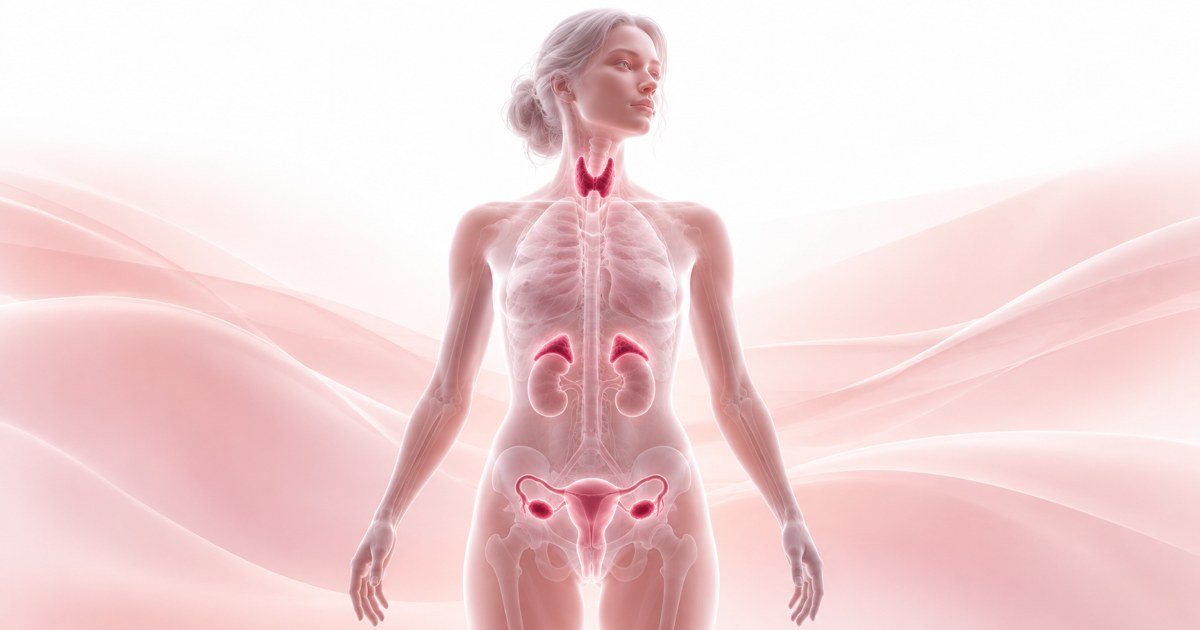
Weight management can change during perimenopause and menopause. Estrogen and progesterone fluctuate, while testosterone may gradually decline. Thyroid disorders, insulin resistance, elevated stress hormones, poor sleep, and nutrient deficiencies can also affect progress.
These changes do not make weight loss impossible. They can make an old strategy less effective. Eating less and exercising more may not fully address disrupted sleep, reduced lean muscle, fatigue, or intense hunger. That is why medical weight loss programs in Magnolia, TX, should look beyond the scale.
Hormonal changes may affect several parts of weight management
- Sleep: Hot flashes, night sweats, and insomnia can reduce sleep quality. Poor sleep may influence appetite, food choices, and recovery.
- Muscle: Age-related hormone changes can make maintaining lean muscle more difficult. Muscle supports strength, mobility, and metabolic health.
- Energy: Fatigue can make consistent exercise and meal preparation harder.
- Body-fat distribution: Menopause is often associated with increased fat storage around the abdomen.
- Mood and stress: Mood changes may affect motivation, emotional eating, and daily habits.
Symptoms alone cannot confirm a hormone imbalance. A clinician must consider symptoms, medical history, medications, physical findings, and appropriate blood work. Women who recognize several of these concerns can begin with Made Ya Skinny’s hormone symptom screener before discussing their results with a medical provider.
What Is Bioidentical Hormone Replacement Therapy?
Bioidentical hormone replacement therapy uses hormones with the same molecular structure as hormones produced by the human body. Depending on an individual patient’s needs, treatment may involve estrogen, progesterone, or testosterone. The appropriate medication, dose, and delivery method depend on the patient’s symptoms, lab findings, health history, and risk factors.
BHRT should be prescribed and monitored by a qualified medical professional. Follow-up matters because hormone needs can change. Ongoing care may include symptom reviews, repeat laboratory testing, dose adjustments, and monitoring for side effects.
What BHRT Can Do for Weight Loss After 40
BHRT may support weight-management efforts when a documented hormone issue is contributing to symptoms that interfere with progress. Its role is to address the hormone-related concern, not to force weight loss.
BHRT may improve symptoms that affect healthy habits
For an appropriate patient, hormone therapy may improve sleep, hot flashes, energy, mood, or sexual health. Better symptom control may make it easier to exercise consistently, plan meals, recover from activity, and follow a medical weight loss plan.
BHRT may help support lean muscle
Muscle preservation becomes increasingly important after 40. Adequate protein, resistance training, sleep, and properly managed hormones may support lean mass. This matters because weight loss without muscle protection can reduce strength and make long-term maintenance more difficult.
BHRT can become one part of a broader plan
Some patients benefit from combining hormone optimization with physician-guided GLP-1 weight loss injections, such as semaglutide or tirzepatide. These medications affect appetite regulation and fullness through different biological pathways than hormone therapy. A clinician can determine whether either treatment—or a coordinated approach—is medically appropriate.
What BHRT Cannot Do
BHRT cannot replace a complete medical weight loss strategy. It does not directly correct every cause of weight gain, and it should not be prescribed solely because someone has reached a certain age.
- BHRT cannot promise a specific amount of weight loss.
- BHRT cannot correct every thyroid, insulin, cortisol, or nutrient issue.
- BHRT cannot replace adequate protein, movement, sleep, and sustainable nutrition.
- BHRT cannot make GLP-1 treatment appropriate for every patient.
- BHRT cannot eliminate the need for medical monitoring.
No honest clinic can promise the same result or timeline for every patient. Response depends on medical history, current hormone status, medications, lifestyle, metabolic health, and treatment adherence. Individual results vary.
Is Perimenopause Weight Gain Always Caused by Hormones?
No. Perimenopause weight gain often has several causes. Hormonal changes may contribute, but sleep disruption, reduced activity, loss of muscle, chronic stress, medication effects, insulin resistance, thyroid disease, and changing nutrition needs may also play a role.
This is why symptom-based prescribing alone is incomplete. A strong evaluation asks several questions: What changed? When did it change? Are symptoms consistent with perimenopause or menopause? Is another medical condition involved? What do the relevant labs show?
Effective menopause weight loss care should connect those answers. Treating only one lab number or focusing only on calories can miss important barriers.
How BHRT Fits With Physician-Guided GLP-1 Weight Loss
GLP-1 medications and BHRT serve different purposes. Semaglutide and tirzepatide may support weight management by influencing hunger, fullness, and related metabolic signals. BHRT addresses specific hormone needs when treatment is clinically appropriate.
A patient may need GLP-1 care without BHRT, BHRT without a GLP-1 medication, both treatments, or neither. That decision should follow a medical assessment. It should not be based on social media trends or a one-size-fits-all protocol.
Monitoring helps protect health and progress
Physician supervision allows the care team to review side effects, nutrition, hydration, bowel habits, sleep, muscle preservation, and changes in symptoms. It also creates an opportunity to investigate a plateau instead of automatically changing medication.
Made Ya Skinny’s approach keeps weight loss as the anchor while evaluating the factors that can support or block progress. Care may include physician-guided GLP-1 injections, BHRT, functional medicine, blood lab optimization, and telehealth follow-up. There is no surgery and no downtime.
Who May Be a Candidate for BHRT?
BHRT may be considered for people with symptoms consistent with a hormone deficiency or menopausal transition after an individualized medical evaluation. Possible symptoms include hot flashes, night sweats, disrupted sleep, low energy, mood changes, vaginal symptoms, reduced libido, or difficulty maintaining muscle.
Hormone therapy is not suitable for everyone. Personal and family medical history can affect the risk-benefit decision. Patients should tell their clinician about prior cancers, unexplained bleeding, cardiovascular conditions, blood clots, liver disease, migraines, and all medications or supplements they use.
Frequently Asked Questions
Does BHRT directly cause weight loss?
BHRT is not primarily a weight loss medication. It may support progress when a diagnosed hormone issue is disrupting sleep, energy, muscle maintenance, or other factors connected to weight management.
Can BHRT help with menopause weight loss?
BHRT may help an appropriate patient manage menopause symptoms that make healthy routines harder. A complete menopause weight loss plan may also address nutrition, strength training, sleep, metabolic health, and medication options.
Can BHRT be combined with semaglutide or tirzepatide?
It may be possible when both treatments are medically appropriate. They address different clinical needs. A physician should review health history, symptoms, labs, medications, and treatment response before recommending a combined plan.
What blood tests are considered before hormone therapy?
Testing varies by patient. A clinician may assess hormone markers, thyroid function, blood count, metabolic health, and nutrients based on symptoms and history. Lab results must be interpreted within the full clinical picture.
How quickly will BHRT affect weight?
There is no universal timeline, and weight change is not assured. Symptom response and weight-management progress vary. Follow-up testing and clinical monitoring help determine whether treatment remains appropriate.
Look Beyond the Dose When Weight Loss Stalls
When GLP-1 stops working or weight comes back, the answer is often in the blood work. Made Ya Skinny takes a functional medicine approach—running the right labs, reading them correctly, and building a plan around what your body actually needs rather than just increasing the dose.
This deeper review may examine thyroid function, hormone patterns, cortisol-related concerns, nutrient deficiencies, metabolic markers, nutrition, sleep, and muscle preservation. The goal is to identify plausible barriers and create an individualized plan instead of assuming every plateau has the same cause.
Start a Personalized Weight Loss and Hormone Evaluation
If hormones may be affecting your progress after 40, Made Ya Skinny can help you explore the next step. The team provides physician-guided medical weight loss, BHRT evaluation, GLP-1 care, lab optimization, and telehealth options for eligible patients. No surgery. No downtime. Visit Made Ya Skinny to book your $17 visit and discuss a plan built around your symptoms, labs, health history, and goals.