
Bloated, Nauseous, and Not Losing Weight on a GLP-1? How to Tell Expected Digestive Slowdown From a Side Effect That Needs Medical Attention
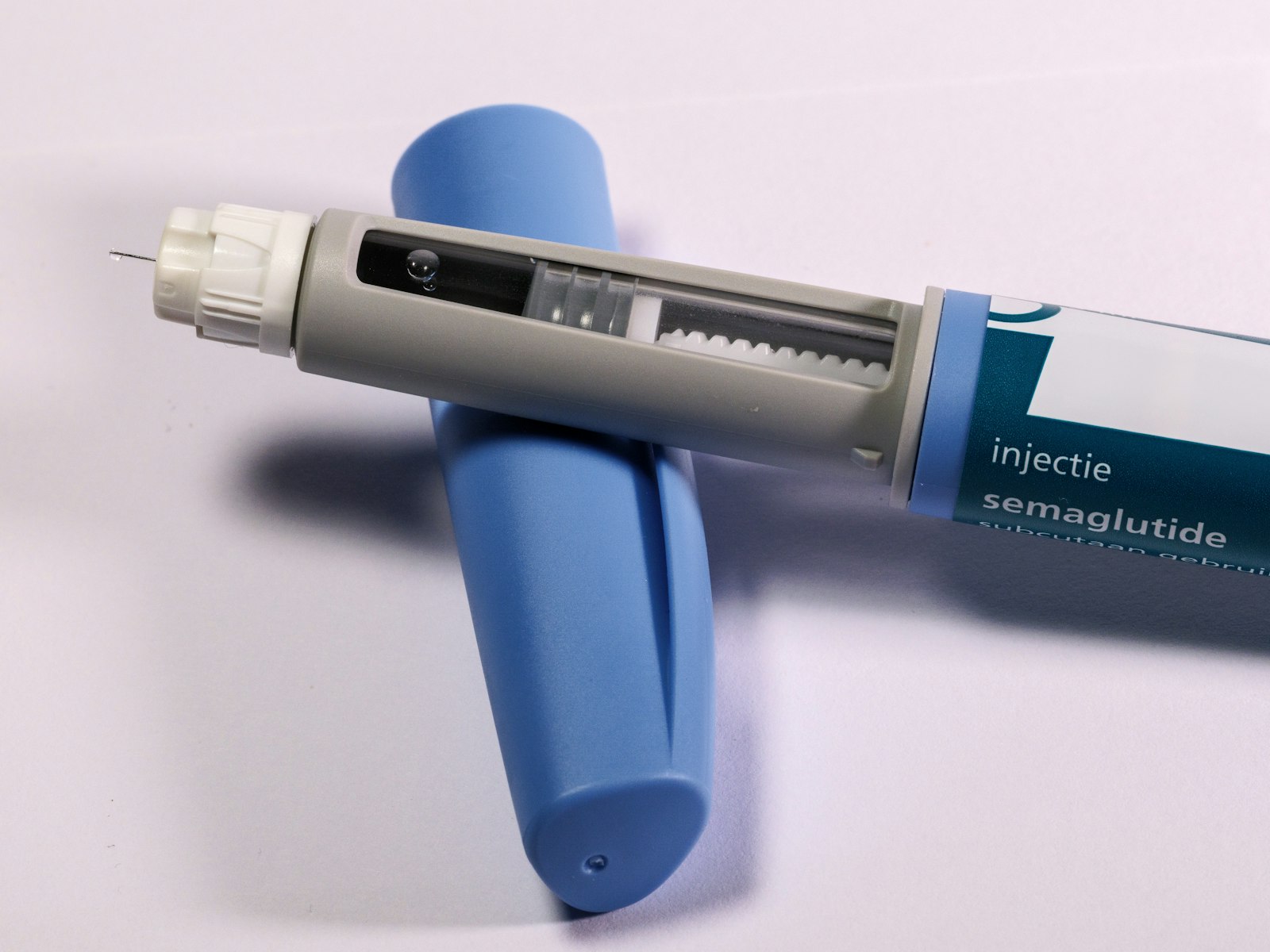
GLP-1 bloating and nausea can occur because medications such as semaglutide and tirzepatide slow digestion and help you feel full longer. Mild symptoms may be manageable, especially when treatment begins or the dose changes. Severe, persistent, or worsening symptoms are different. They can signal dehydration, significant digestive slowing, gallbladder trouble, pancreatitis, or another condition that needs medical attention.
The key is not simply whether you feel nauseous or bloated. What matters is the intensity, duration, pattern, and effect on your ability to eat, drink, and function. A physician-guided plan should evaluate those details before changing your medication or dose.
Why GLP-1 Medications Can Cause Digestive Symptoms
GLP-1 medications support weight loss partly by reducing appetite and slowing how quickly food leaves the stomach. Tirzepatide also acts on another metabolic pathway called GIP. These effects may help with portion control, hunger, and blood sugar regulation. They can also produce digestive symptoms.
Common semaglutide digestive side effects and symptoms associated with tirzepatide digestive slowdown may include:
- Nausea
- Bloating or belching
- Feeling full after a small amount of food
- Constipation or diarrhea
- Heartburn
- Mild stomach discomfort
- Reduced appetite
Symptoms are often more noticeable when treatment begins or after a dose increase. Eating a large, rich, greasy, or high-fat meal may make them worse. However, a common symptom should never be automatically dismissed as harmless. Your clinician should consider your complete medical history, medication schedule, food intake, hydration, and other prescriptions.
What Expected Digestive Slowdown May Feel Like
Mild digestive slowdown is more likely to be an expected medication effect when symptoms are temporary, manageable, and do not prevent normal hydration or basic nutrition.
Examples may include mild queasiness after an injection, getting full sooner than expected, modest bloating after a meal, or occasional constipation. These symptoms may improve as your body adjusts, but every person responds differently.
Contact your prescribing clinician if symptoms continue, return repeatedly, or interfere with daily life. Do not increase, decrease, skip, or restart a dose without medical guidance. More medication is not always the answer, especially when digestion is already significantly slowed.
Simple habits that may reduce mild symptoms
- Eat smaller meals and stop when comfortably full.
- Eat slowly and chew food thoroughly.
- Avoid lying down immediately after eating.
- Limit greasy, fried, or unusually heavy meals.
- Drink fluids steadily instead of consuming a large amount at once.
- Track symptoms in relation to meals, injections, and dose changes.
- Ask your clinician how to manage constipation safely.
These steps are general education, not a substitute for personalized medical advice. A physician-supervised GLP-1 weight loss program can help identify whether symptoms reflect ordinary adjustment, an inappropriate dose, another medication, or a separate digestive problem.
When GLP-1 Bloating and Nausea Need Medical Attention
Call your prescribing clinician promptly when nausea, bloating, or fullness becomes persistent, progressively worse, or difficult to manage. You should also call if you cannot eat enough to meet basic nutritional needs, regularly vomit after meals, or remain full for many hours after eating.
Seek urgent medical care for warning signs such as:
- Severe or increasing abdominal pain
- Sudden, sharp stomach pain that does not go away
- Persistent vomiting or an inability to keep liquids down
- Blood in vomit or vomit that resembles coffee grounds
- Extreme weakness, fainting, confusion, or difficulty breathing
- Very dark urine, decreased urination, intense thirst, or severe dizziness
- Upper abdominal pain that travels toward the back
- Upper abdominal pain with fever, yellow skin, or yellow eyes
- Increasing abdominal swelling with an inability to pass stool or gas
These symptoms cannot be safely evaluated through an online article. If you believe you are experiencing an emergency, seek emergency care immediately.
Does Bloating Mean You Have Gastroparesis?
No. Bloating alone does not prove gastroparesis. Gastroparesis is delayed stomach emptying without a physical blockage. Possible GLP-1 gastroparesis symptoms include persistent nausea, vomiting, upper abdominal discomfort, feeling full shortly after starting a meal, and remaining full long after eating.
Those symptoms can also occur for other reasons. A diagnosis may require a medical history, examination, laboratory work, imaging, endoscopy, or a test that measures stomach emptying. Your clinician may also need to rule out an obstruction, gallbladder disease, pancreatitis, thyroid dysfunction, diabetes-related nerve damage, or medication interactions.
Tell every healthcare professional involved in your care that you use a GLP-1 medication. This is particularly important before anesthesia, deep sedation, surgery, or an endoscopic procedure because delayed stomach emptying may affect procedure planning.
Why You May Feel Sick and Still Not Be Losing Weight
Digestive discomfort does not prove that a medication is producing effective fat loss. Nausea can reduce food intake temporarily, but sustainable weight management also depends on nutrition quality, protein intake, hydration, muscle preservation, sleep, activity, metabolic health, and a suitable treatment plan.
A GLP-1 weight loss plateau may occur when your body adapts to a lower weight or when earlier appetite suppression becomes less noticeable. It may also reflect constipation, fluid shifts, inconsistent dosing, inadequate protein, reduced activity, poor sleep, thyroid issues, hormonal changes, or medications that affect weight.
For women ages 35 to 55, perimenopause and menopause may change sleep, body composition, insulin sensitivity, and fat distribution. Bioidentical hormone replacement therapy may be appropriate for selected patients after a medical evaluation, symptom review, and laboratory testing. It is not an automatic solution for every plateau.
The safest response is a structured reassessment. Your clinician should review what changed, how long the plateau has lasted, whether your measurements or body composition are changing, and whether side effects are limiting healthy eating or movement.
What a Medical Review Should Examine
A careful review of GLP-1 bloating and nausea should look beyond the scale. It may include:
- The timing and severity of symptoms
- Your current medication and dose history
- Recent dose increases or missed doses
- Meal size, dietary fat, fiber, protein, and fluid intake
- Bowel movement frequency and constipation
- Other prescriptions, supplements, and medical conditions
- Blood sugar patterns when relevant
- Signs of dehydration or nutrient deficiency
- Thyroid, hormone, liver, kidney, and metabolic findings when indicated
Made Ya Skinny is a weight loss clinic in Magnolia, TX, serving Cypress, The Woodlands, Conroe, Willis, Montgomery, North Houston, and Tomball. Telehealth consultations are also available in multiple states. Care is designed around physician-guided weight management with no surgery and no downtime.
When a Plateau Calls for Better Blood Work
When GLP-1 stops working or weight comes back, the answer is often in the blood work. Made Ya Skinny takes a functional medicine approach—running the right labs, reading them correctly, and building a plan around what your body actually needs rather than just increasing the dose.
Laboratory testing may reveal contributing issues such as thyroid dysfunction, abnormal glucose regulation, hormone changes, or nutrient deficiencies. Results must be interpreted alongside symptoms, medications, history, and examination. A lab value by itself does not establish the complete cause of a plateau.
Frequently Asked Questions
Is nausea normal when starting semaglutide or tirzepatide?
Mild nausea can occur when treatment begins or the dose increases. Contact your clinician if it is persistent, worsening, or interfering with eating and drinking. Severe pain, repeated vomiting, fainting, or dehydration requires urgent medical attention.
How long should GLP-1 bloating last?
There is no universal timeline. Mild bloating may improve as the body adjusts, but ongoing or worsening bloating should be reviewed. Prompt evaluation is important when bloating occurs with severe pain, vomiting, abdominal swelling, or an inability to pass stool or gas.
Does feeling full for hours mean I have gastroparesis?
Not necessarily. GLP-1 medications can delay stomach emptying, but gastroparesis cannot be diagnosed from fullness alone. Persistent fullness, nausea, vomiting, or poor food tolerance should be evaluated by a qualified healthcare professional.
Should I increase my dose if my weight loss has stopped?
Do not change your dose on your own. A plateau may involve nutrition, constipation, hormones, thyroid function, sleep, activity, or another medical issue. Your prescriber should review symptoms and progress before recommending a change.
Can Made Ya Skinny help evaluate digestive symptoms and a weight loss plateau?
Made Ya Skinny provides physician-guided GLP-1 weight management and functional medicine evaluation, including appropriate blood work. Urgent or severe symptoms should be treated through immediate medical care rather than waiting for a routine visit.
Get a Physician-Guided Review
If bloating, nausea, or a stubborn plateau is disrupting your progress, do not guess or simply push the dose higher. Visit Made Ya Skinny’s physician-supervised GLP-1 weight loss program to learn about personalized care, or book your $17 visit today.