
Why You’re Losing Hair on Semaglutide or Tirzepatide — What GLP-1 Medications Actually Do to Your Hair Cycle and the Nutritional Gaps Most Weight Loss Clinics Never Screen For
If you’ve noticed more hair in your brush, a thinner ponytail, or new shedding around your temples a few months into your GLP-1 medication, you’re not imagining it — and you’re not alone. Hair loss on semaglutide (brand names include Ozempic and Wegovy) and tirzepatide (brand names include Mounjaro and Zepbound) is a documented occurrence, but the mechanism is almost never explained properly at weight loss clinics. Most patients are told it’s temporary and handed a biotin supplement. That’s not wrong, but it’s nowhere near the full picture.
This post breaks down exactly what’s happening inside your hair follicles, the specific nutrient and hormone gaps most clinics never test for, and what a more complete approach looks like.
What’s Actually Happening to Your Hair
Your hair doesn’t shed because of the medication itself. GLP-1 drugs like semaglutide and tirzepatide are not directly toxic to hair follicles. What happens is more indirect — and more correctable.
The condition is called telogen effluvium. Your hair follicles cycle through phases: active growth (anagen), transition (catagen), and resting-and-shedding (telogen). Under normal conditions, roughly 85–90% of your follicles are in the growth phase at any given time. When your body experiences significant physical stress — including rapid caloric restriction and meaningful weight loss — it interprets that stress as a signal to conserve resources. Follicles respond by shifting prematurely from the growth phase into the resting phase. Two to four months later, those hairs shed in volume.
The lag time is why so many patients are caught off guard. You started your medication in January, the weight is coming off, everything feels like it’s working — and then in April, your hair comes out in handfuls. It wasn’t something that changed in April. It was the metabolic shift your body made in January.
Telogen effluvium triggered by weight loss is typically self-limiting. As your weight stabilizes and your body adjusts, shedding slows and eventually stops for most people. But there are factors that can make it significantly worse, make it last longer, or cause it to become a recurring problem — and those are the factors most clinics never investigate. Individual responses vary, and understanding what’s driving your specific pattern requires actually looking at your labs.
The Nutritional Gaps Most Weight Loss Clinics Never Screen For
GLP-1 medications are highly effective at reducing appetite. That’s the point. But reduced appetite also means reduced nutrient intake — and when you’re already eating fewer calories, the margin for nutritional gaps narrows fast. Hair follicles are among the most metabolically active cells in your body. They’re also among the first to suffer when nutrients are scarce.
Here are the specific deficiencies most commonly missed:
Ferritin (Iron Stores)
Ferritin is the storage form of iron, and it is the single most underdiagnosed driver of hair loss in women. Here’s where clinics consistently fall short: a ferritin level of 12 ng/mL is technically “within normal range” on a standard lab report. But research on hair loss consistently points to ferritin needing to be above 70 ng/mL — and ideally above 100 ng/mL — to support normal hair growth. If your provider looked at your iron panel and said it was fine, ask what your ferritin number actually was.
Zinc
Zinc is essential for protein synthesis, cell division, and the normal cycling of hair follicles. It’s concentrated in animal proteins — meat, shellfish, eggs — which are foods many GLP-1 patients naturally eat less of as their appetite drops. Zinc deficiency doesn’t always announce itself beyond hair thinning and slowed wound healing. It’s a straightforward lab draw that’s rarely ordered.
Protein Intake
Hair is made of keratin, which is a protein. If your total daily protein drops significantly while you’re on semaglutide or tirzepatide, your body will prioritize protein for critical organs over hair production. Most patients on GLP-1 therapy should be intentionally tracking protein — something that rarely comes up at the appointment where the injection is prescribed. A physician-supervised GLP-1 weight loss program should be monitoring this as part of ongoing care, not just adjusting doses.
B Vitamins
Biotin gets all the marketing attention, but B12 and folate are equally important for cell turnover and follicle health. B12 absorption can be affected by certain medications and by the gut changes that sometimes accompany significant dietary shifts. Folate supports the rapid cell division hair follicles require to stay in the growth phase.
Vitamin D
Vitamin D receptors are present in hair follicles, and low vitamin D has been linked to hair follicle cycling disruption. Deficiency is extremely common in the general population — and even more common in women in their 40s and 50s. It’s a standard lab draw that’s often skipped entirely in a weight loss-focused panel.
The Hormone Connection Most Clinics Miss Entirely
For women between 35 and 55 — a significant portion of patients seeking GLP-1 support — hair thinning is often happening on two fronts simultaneously. The telogen effluvium from weight loss is real. But underneath it, a separate process may also be underway: the hormonal shift that accompanies perimenopause and menopause.
Estrogen and progesterone actively support hair growth. Estrogen prolongs the anagen (growth) phase of the hair cycle. As estrogen declines in the perimenopausal years, hair follicles spend less time growing and more time resting. Hair becomes finer, grows more slowly, and sheds more easily. When telogen effluvium layers on top of that hormonal foundation, the result can feel dramatic and persistent.
Thyroid function belongs in this conversation as well. Hypothyroidism — including subclinical hypothyroidism, where TSH looks “normal” but conversion of T4 to active T3 is poor — is one of the most common and most frequently overlooked causes of hair loss in women. A TSH alone is not sufficient to rule it out. Free T3 and free T4 tell you what the thyroid is actually producing and what’s bioavailable to the body’s cells.
If you’re in perimenopause or early menopause and also experiencing hair changes while on a GLP-1 medication, evaluating your hormone levels isn’t optional — it’s essential for understanding why your hair is changing and what will actually help.
When the Answer Is in the Blood Work
Hair loss that persists beyond six to nine months, or that continues to worsen, is a signal that the body hasn’t recovered from the underlying trigger — or that the trigger wasn’t what you thought it was. This is where a functional medicine lens matters.
When GLP-1 stops working or weight comes back, the answer is often in the blood work. Made Ya Skinny takes a functional medicine approach — running the right labs, reading them correctly, and building a plan around what your body actually needs rather than just increasing the dose. That same approach applies directly to hair loss. The goal isn’t to manage symptoms. It’s to understand what the labs are showing and correct the root cause.
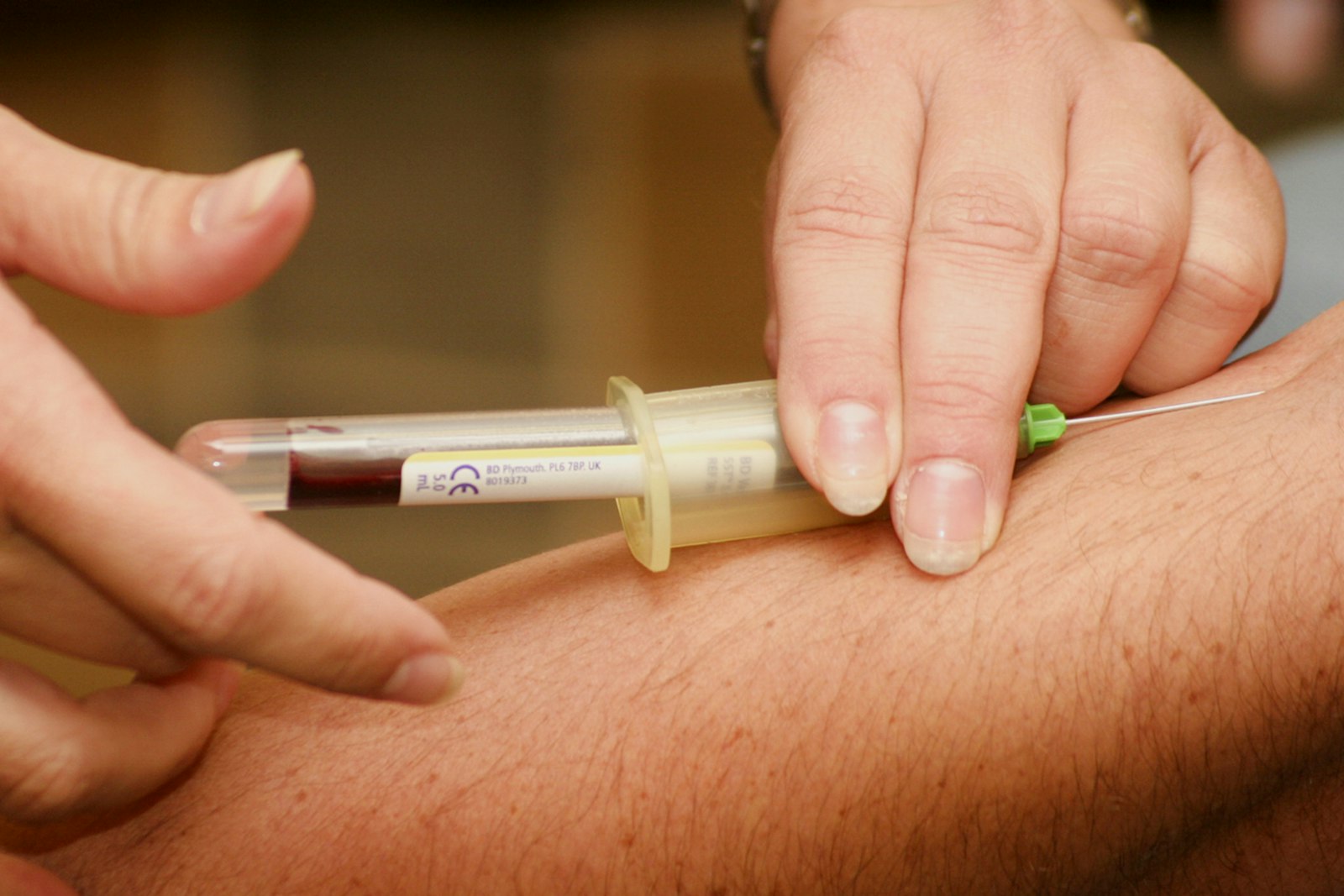
The workup for persistent hair thinning on GLP-1 therapy should include — at minimum — a comprehensive metabolic panel, complete blood count, ferritin, zinc, B12, folate, vitamin D, and a full thyroid panel including TSH, free T3, and free T4. Women in their late 30s, 40s, or 50s should also have a hormone panel: estradiol, progesterone, testosterone, and DHEA. This level of testing is not routinely ordered at every weight loss clinic. It requires a provider who understands how GLP-1 medications, hormonal transitions, and nutritional status interact.
You Deserve More Than “It’s Temporary”
Hair thinning during your weight loss journey isn’t something you have to accept or simply wait out. If you’re on semaglutide or tirzepatide and noticing changes in your hair, the right next step is a conversation with a physician who will actually run the labs and read them in full context — not reassure you that it will pass.
Made Ya Skinny offers physician-guided weight loss, hormone evaluation, and functional medicine blood work interpretation in Magnolia, TX — with telehealth available across multiple states, serving patients in Cypress, The Woodlands, Conroe, Willis, Montgomery, Tomball, and beyond. Book your $17 visit and let’s look at what your blood work is actually telling you.
Frequently Asked Questions About Hair Loss on GLP-1 Medications
Is hair loss a common side effect of semaglutide and tirzepatide?
Hair shedding is a recognized occurrence in some patients using GLP-1 medications including semaglutide (Ozempic, Wegovy) and tirzepatide (Mounjaro, Zepbound). The primary mechanism is telogen effluvium — a hair cycle disruption triggered by rapid weight loss and caloric restriction — rather than a direct effect of the medication on the hair follicle. Not all patients experience this, and individual response varies.
How long does hair loss on GLP-1 medications last?
Telogen effluvium from weight loss typically resolves within three to six months after the metabolic stress stabilizes and weight loss slows. Persistent shedding beyond that window — or shedding that worsens instead of improving — is a signal to investigate underlying factors such as nutritional deficiencies, thyroid dysfunction, or hormonal imbalance.
What labs should be checked for hair loss on semaglutide or tirzepatide?
A thorough evaluation should include ferritin (not just serum iron), zinc, B12, folate, vitamin D, a full thyroid panel (TSH plus free T3 and free T4), and a comprehensive metabolic panel. Women in perimenopause or menopause should also have a hormone panel including estradiol, progesterone, testosterone, and DHEA. A TSH and CBC alone is insufficient for a meaningful hair loss workup.
Can biotin supplements fix hair loss caused by GLP-1 medications?
Biotin supplementation addresses biotin deficiency specifically. In most cases of GLP-1-related hair loss, biotin deficiency is not the primary driver. Correcting ferritin levels, zinc, protein intake, thyroid function, and hormonal balance typically have far more meaningful impact. Biotin is harmless to supplement but should not substitute for an actual lab evaluation.
Does BHRT help with hair loss during menopause and GLP-1 therapy?
For women in perimenopause or menopause who are also experiencing hair thinning on GLP-1 therapy, bioidentical hormone replacement therapy (BHRT) may be a relevant part of the clinical conversation. Estrogen supports the anagen (growth) phase of the hair cycle, and declining estrogen accelerates the rate at which follicles shift into the resting phase. A physician evaluation of hormone levels is the appropriate starting point; individual response to any treatment varies.