
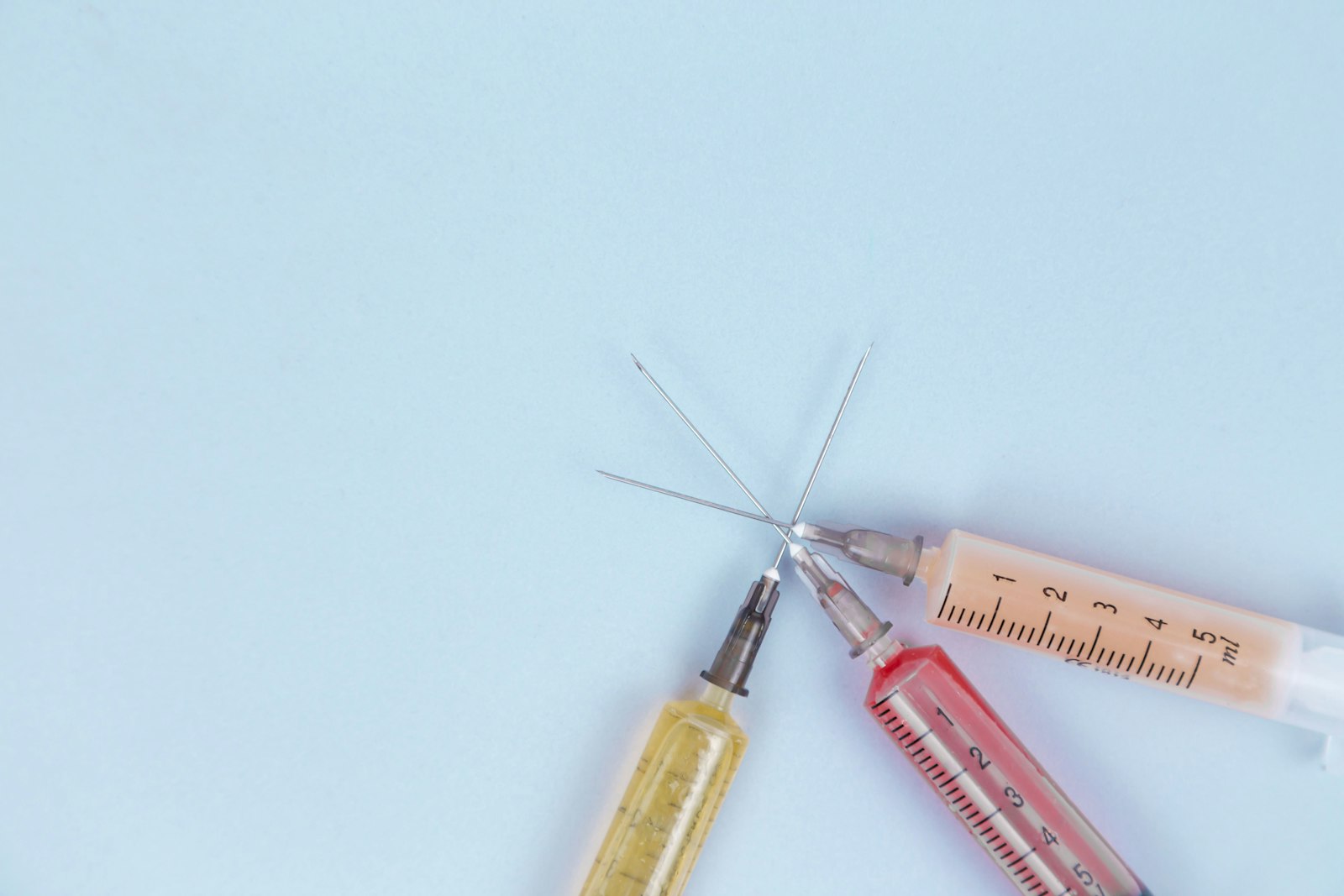
You started semaglutide. The food noise got quiet. Your clothes fit different. Now you are wondering what happens if you stop. It is one of the most common questions we hear at Made Ya Skinny, and it deserves a straight answer instead of a sales pitch.
Here is the short version: stopping is not a cliff. But it is also not nothing. What happens next depends a lot on how you stop and what you put in place before you do.
What Semaglutide Is Actually Doing in Your Body
Semaglutide (the medicine in Wegovy and in compounded GLP-1 injections) copies a natural gut hormone called GLP-1. That hormone tells your brain you are full, slows how fast your stomach empties, and helps steady your blood sugar.
Important part: it does this while it is in your system. It does not rewire your appetite permanently. Once the medicine clears, your body goes back to the hunger signals it had before.
How Long It Stays In You
Semaglutide has a long half-life — roughly a week. That means it leaves slowly, over about four to five weeks. Most patients report a gradual return of appetite rather than a switch flipping overnight.
What Patients Commonly Notice After Stopping
- Hunger comes back. The “food noise” many patients describe — the constant mental chatter about snacks — tends to return.
- Portions feel small again. Food moves through faster, so you feel less full on the same plate.
- Cravings return. Especially for sugar and fast carbs.
- Side effects fade. Nausea, constipation, and reflux usually ease up as the dose leaves.
- Weight may creep back. This is the honest one. Research on GLP-1 withdrawal suggests many people regain a meaningful share of the weight they lost within a year of stopping if nothing else changes.
Why the Regain Happens — It Is Not Willpower
When you lose a lot of weight, your body fights to get it back. Research suggests hunger hormones rise, fullness hormones drop, and your resting metabolism runs a little lower than it did at the same weight before. That is biology, not weakness. Semaglutide was holding one side of that tug-of-war. Take it away without a plan and the rope moves.
Reasons People Stop
Cost. Side effects. Hitting a goal weight. Supply gaps. Pregnancy plans. Insurance changes. Or just being tired of weekly shots. All of these are valid, and none of them mean you have to start over from zero.
How to Come Off Semaglutide Thoughtfully
1. Taper Instead of Quitting Cold
Rather than going from your full dose to nothing, many patients step down gradually with their provider — or move to the lowest dose that holds their weight. A slower exit gives your appetite time to adjust instead of slamming back.
2. Build the Habits While the Medicine Still Helps
The months on a GLP-1 are your easiest window to lock in protein targets, strength training, sleep, and water. Appetite is low, so habits stick easier. If you wait until after you stop, you are building in a headwind.
3. Protect Your Muscle
Fast weight loss can take muscle along with fat. Less muscle means a slower metabolism, which makes regain easier. Aim high on protein and lift something heavy two or three times a week. This matters more than any supplement.
4. Look at What Else Is Driving Your Weight
This is where a lot of people get stuck. Thyroid, insulin resistance, cortisol, low testosterone, and shifting estrogen or progesterone all affect how your body stores fat. If one of those is off, stopping semaglutide hits harder. Blood lab work can show what is actually going on instead of guessing.
For patients whose labs point to a hormone issue, bioidentical hormone replacement therapy (BHRT) may help support energy, sleep, and body composition alongside a weight plan. At Made Ya Skinny we use injections, creams, and oral options.
5. Do Not Disappear From Care
The patients who hold their results best are usually the ones who keep checking in. Monthly or quarterly visits catch a plateau or a regain at three pounds instead of thirty.
If You Already Stopped and the Weight Is Coming Back
You did not fail. Your biology did exactly what biology does. Options worth discussing with a physician include restarting at a maintenance dose, switching to tirzepatide (the medicine in Zepbound), running functional medicine labs to find what is working against you, or adding invisa-RED red light therapy for body contouring support. No surgery. No downtime.
Talk to a Physician Before You Change Anything
Starting, stopping, tapering, or switching a GLP-1 is a medical decision. Made Ya Skinny is physician-guided, and we do not sell medication — we build the plan and monitor you through it. We see patients in Magnolia and Cypress, TX, serving The Woodlands, Conroe, Willis, Montgomery, North Houston, and Tomball, with telehealth available in multiple states. Your first visit is just $17. Book online at madeyaskinny.com.